The A.I. Gold Rush For The New York Times
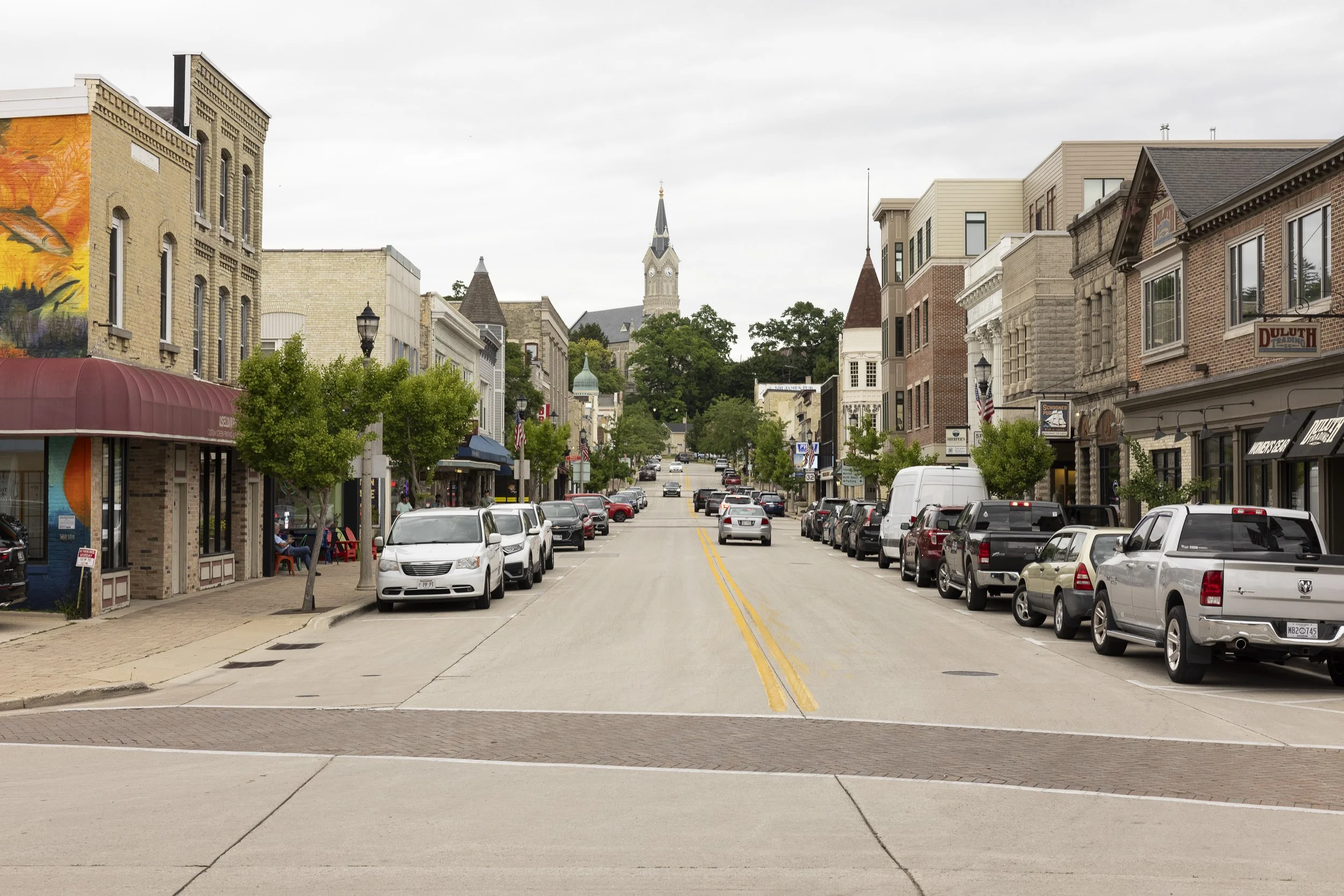
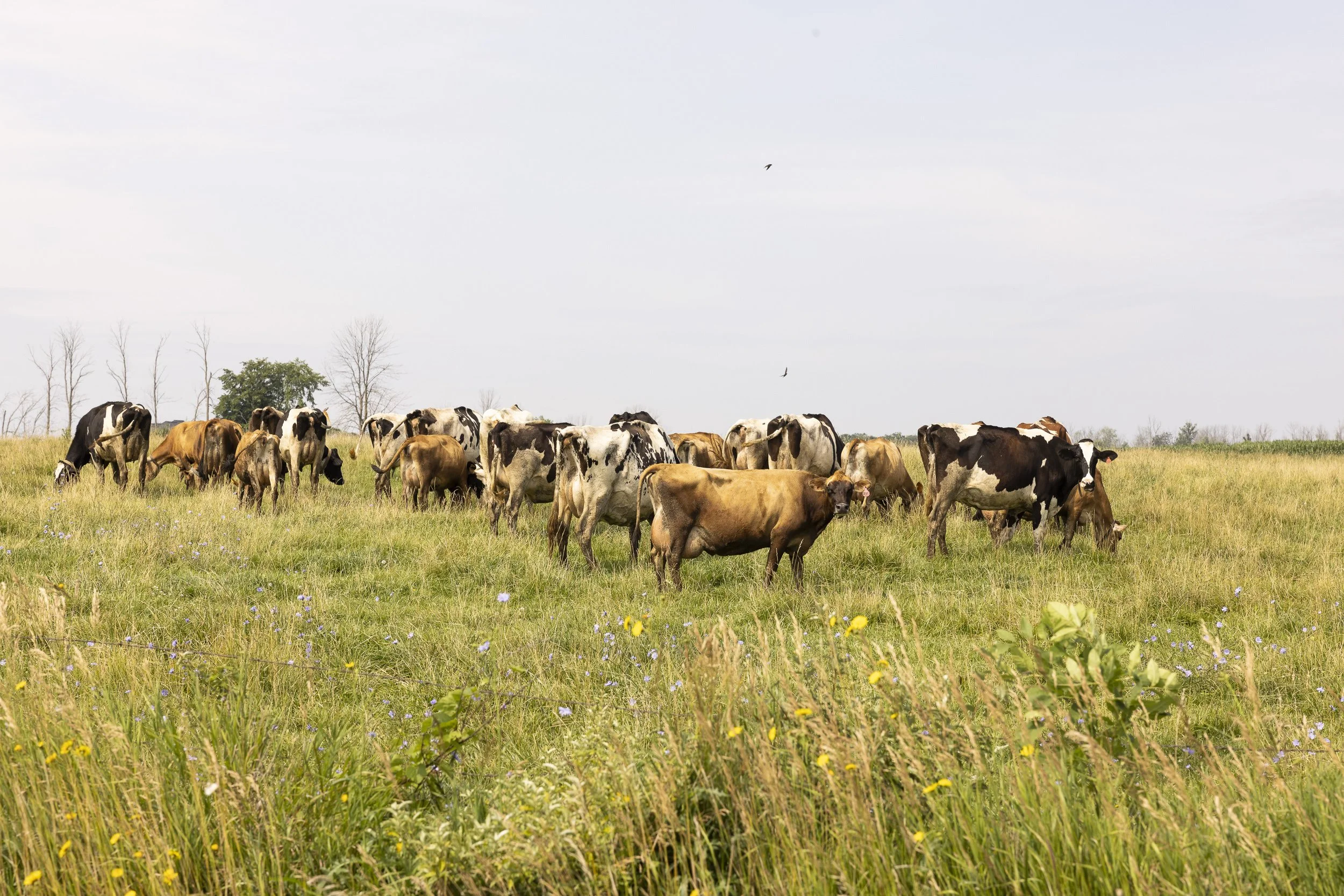
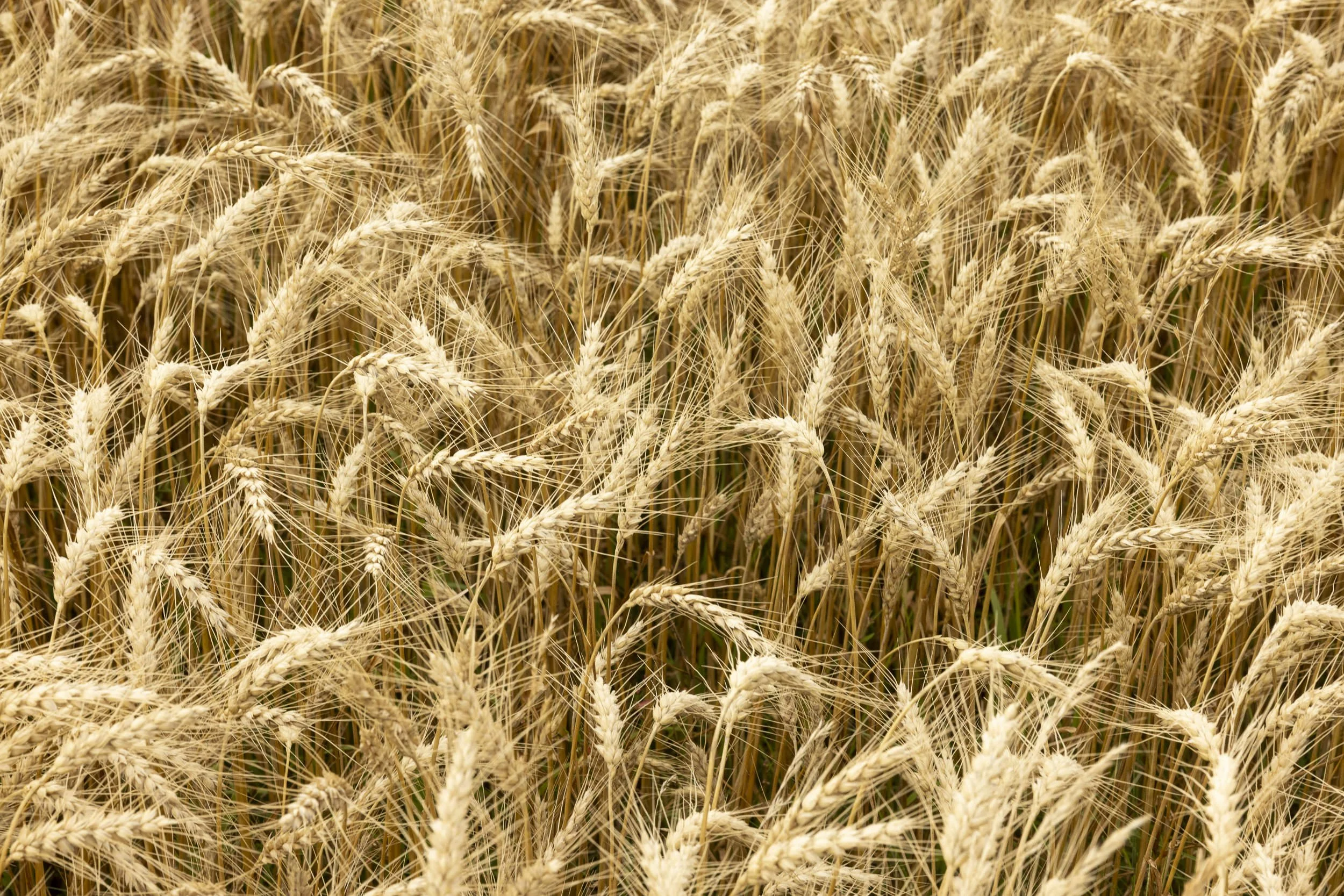
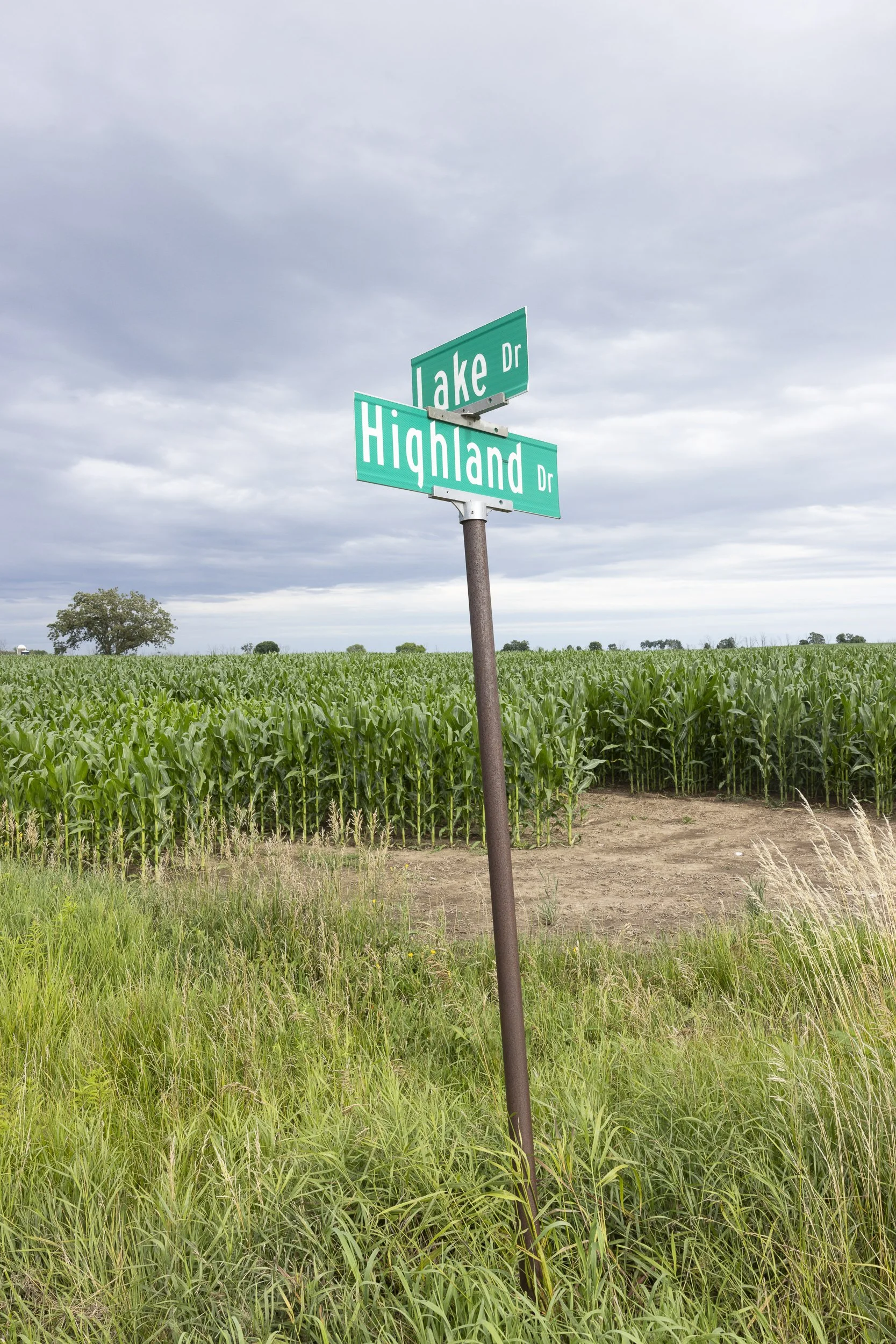
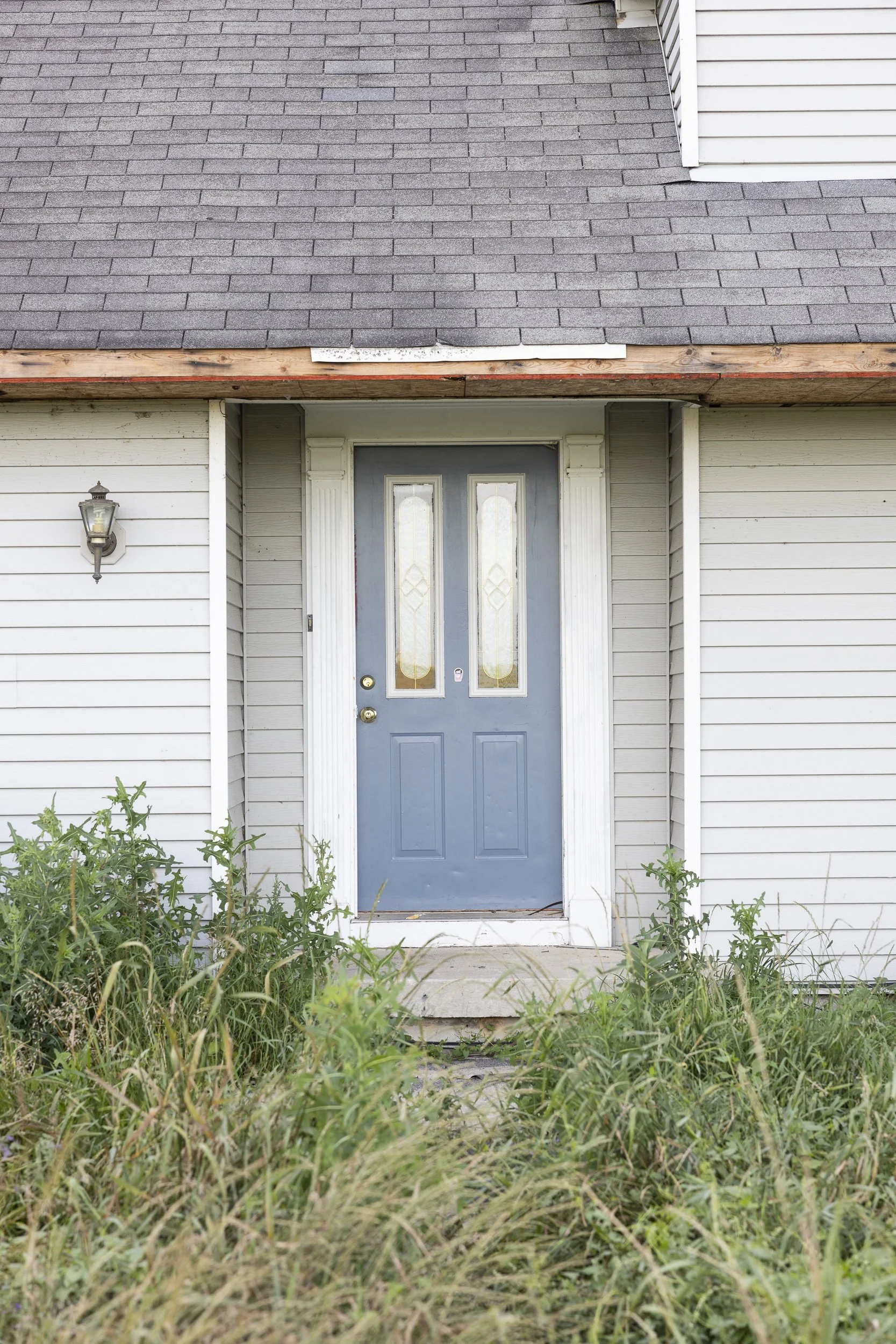
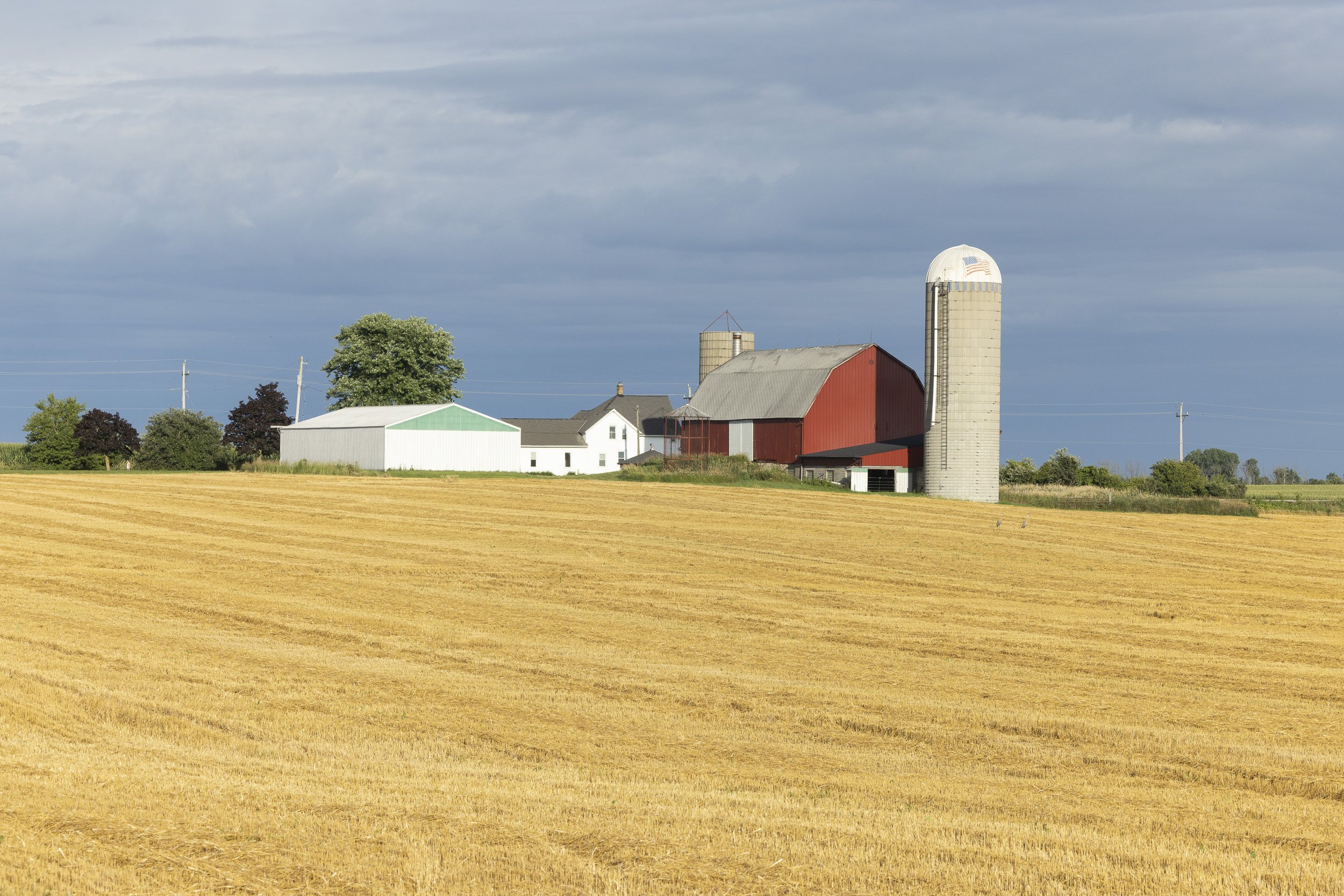
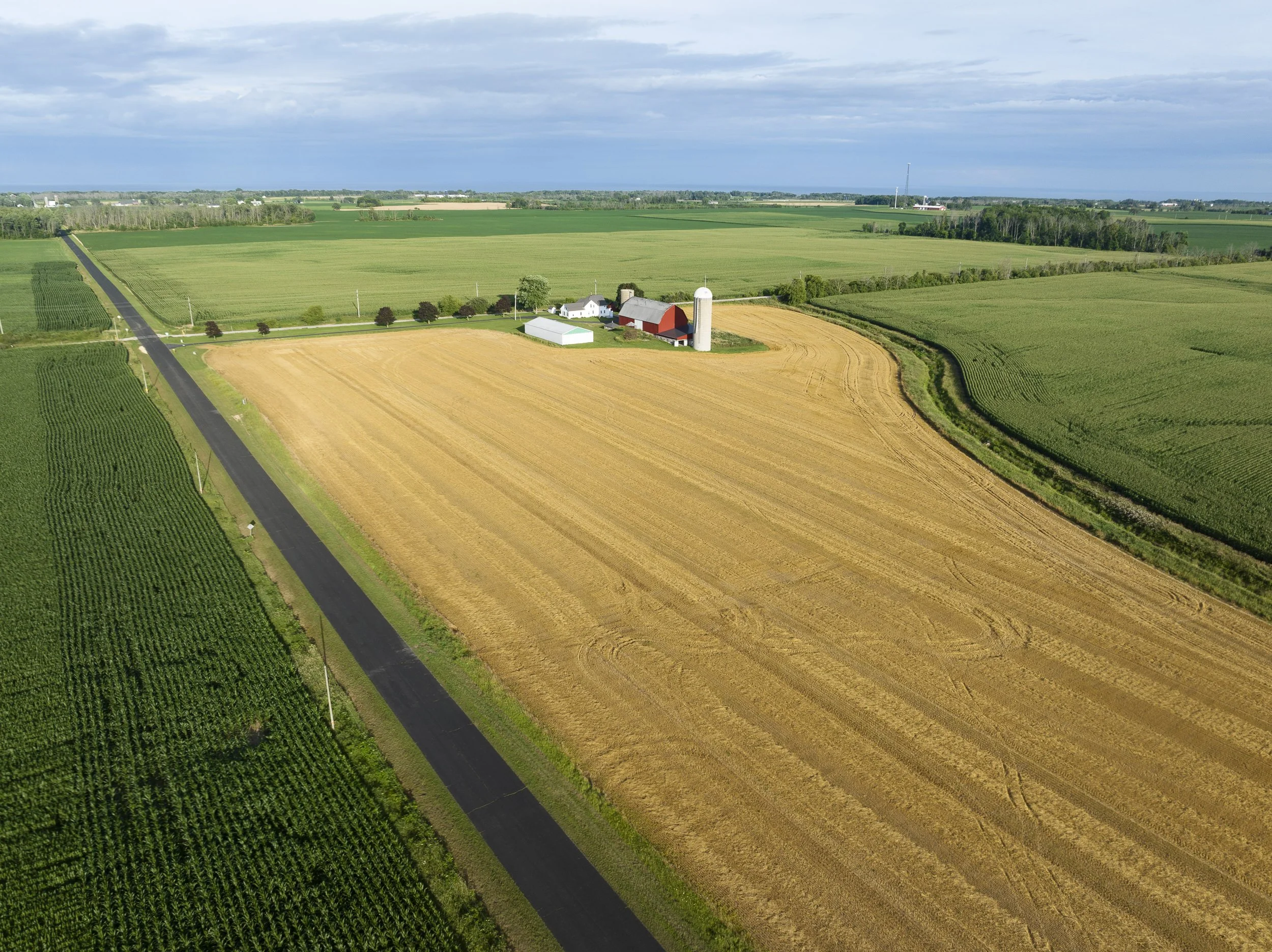
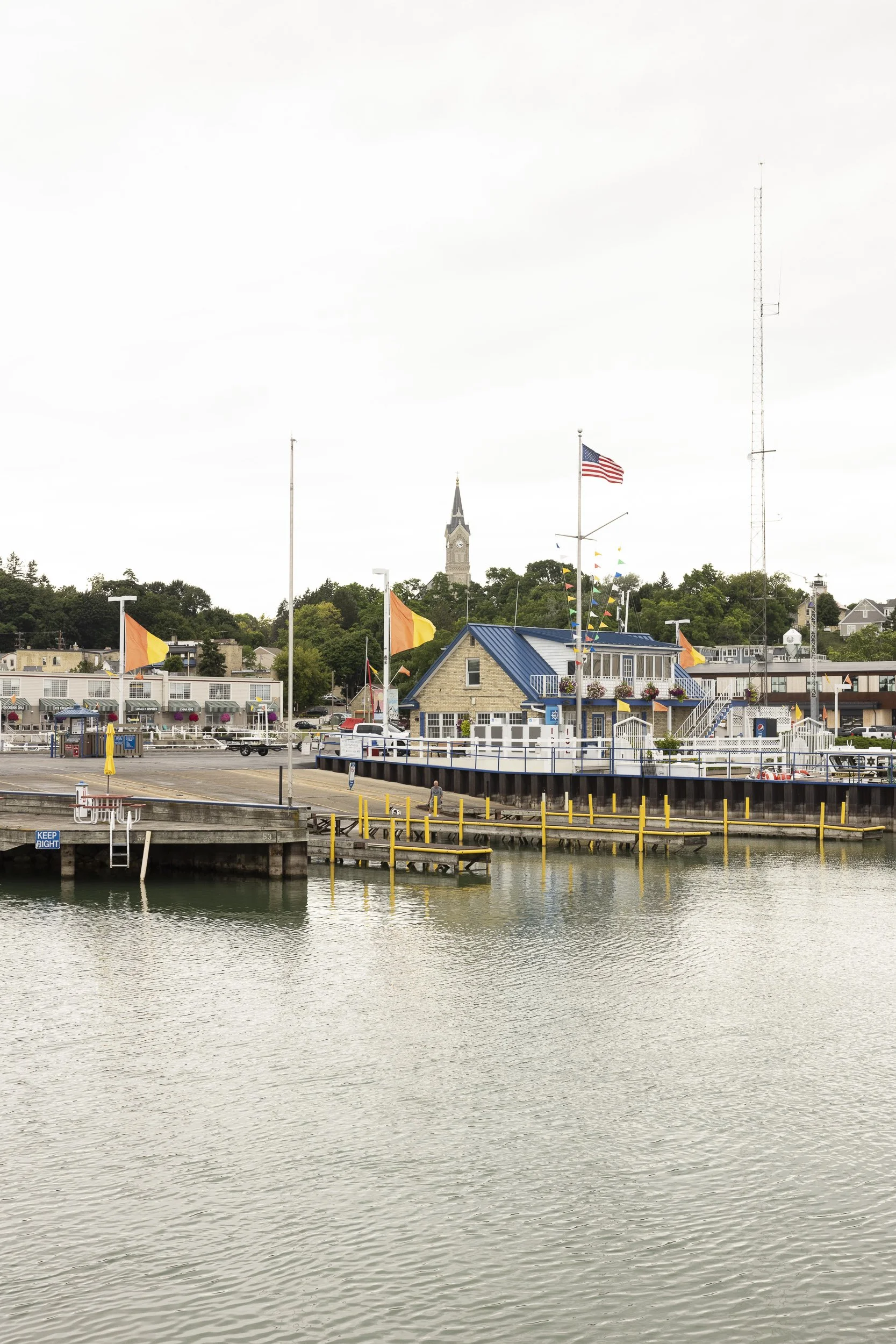
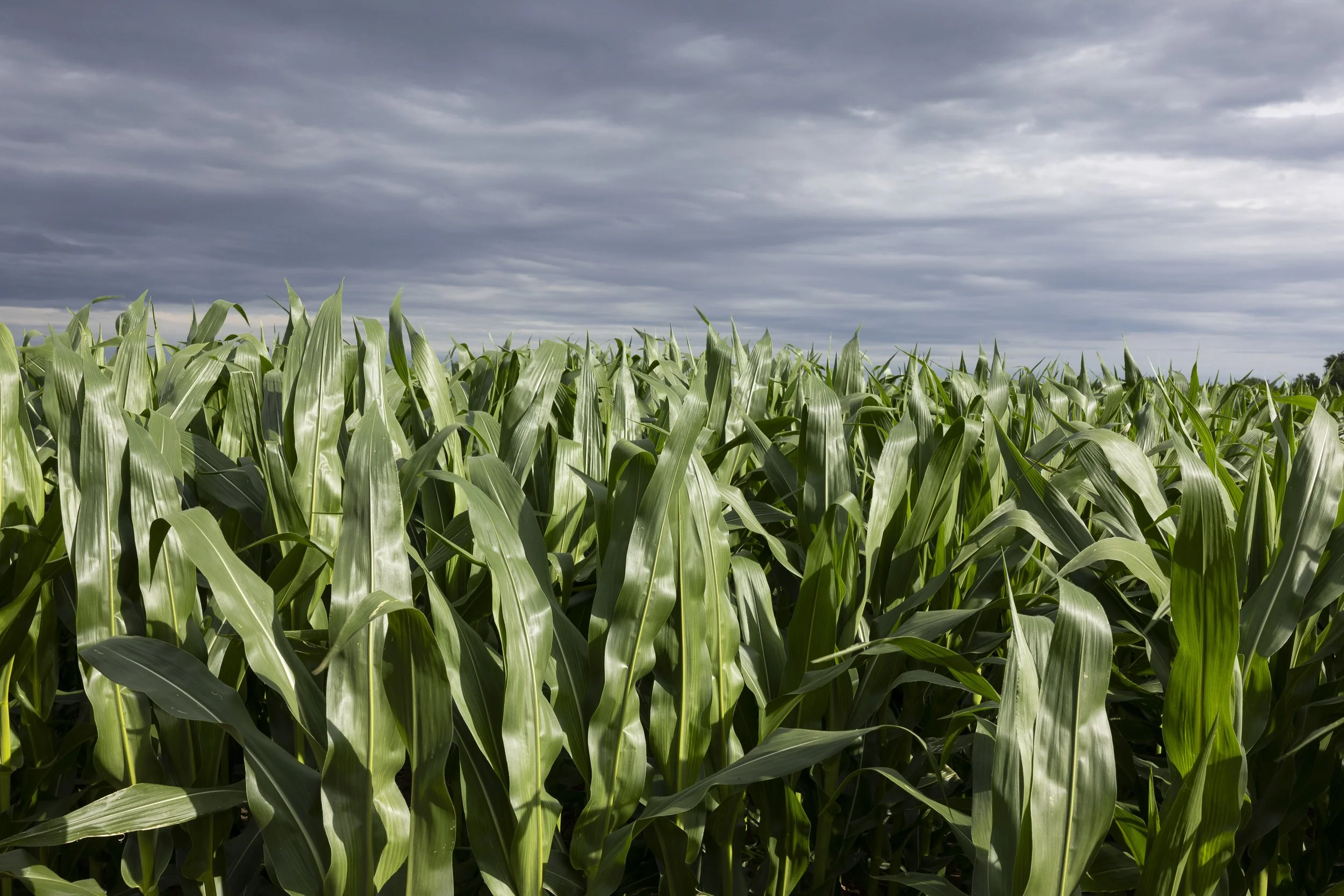
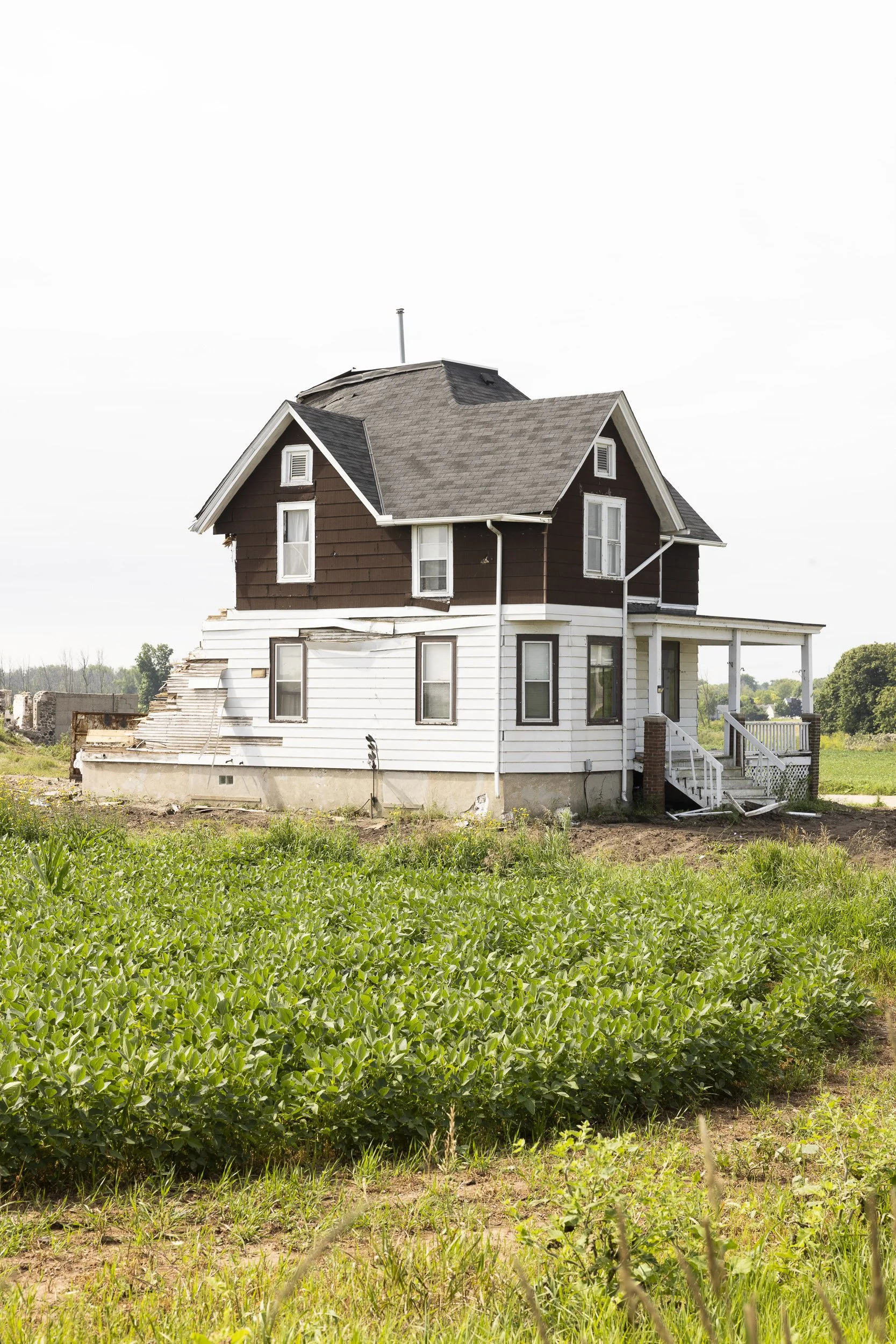
Photographing this story just outside Milwaukee was a reminder of how layered a place can be. At first glance, the land felt quiet and wide open, a stretch of farmland rolling out toward Lake Michigan with a kind of calm that makes you slow down and take it in. There was a softness to it, but also a sense that this landscape was on the edge of change.
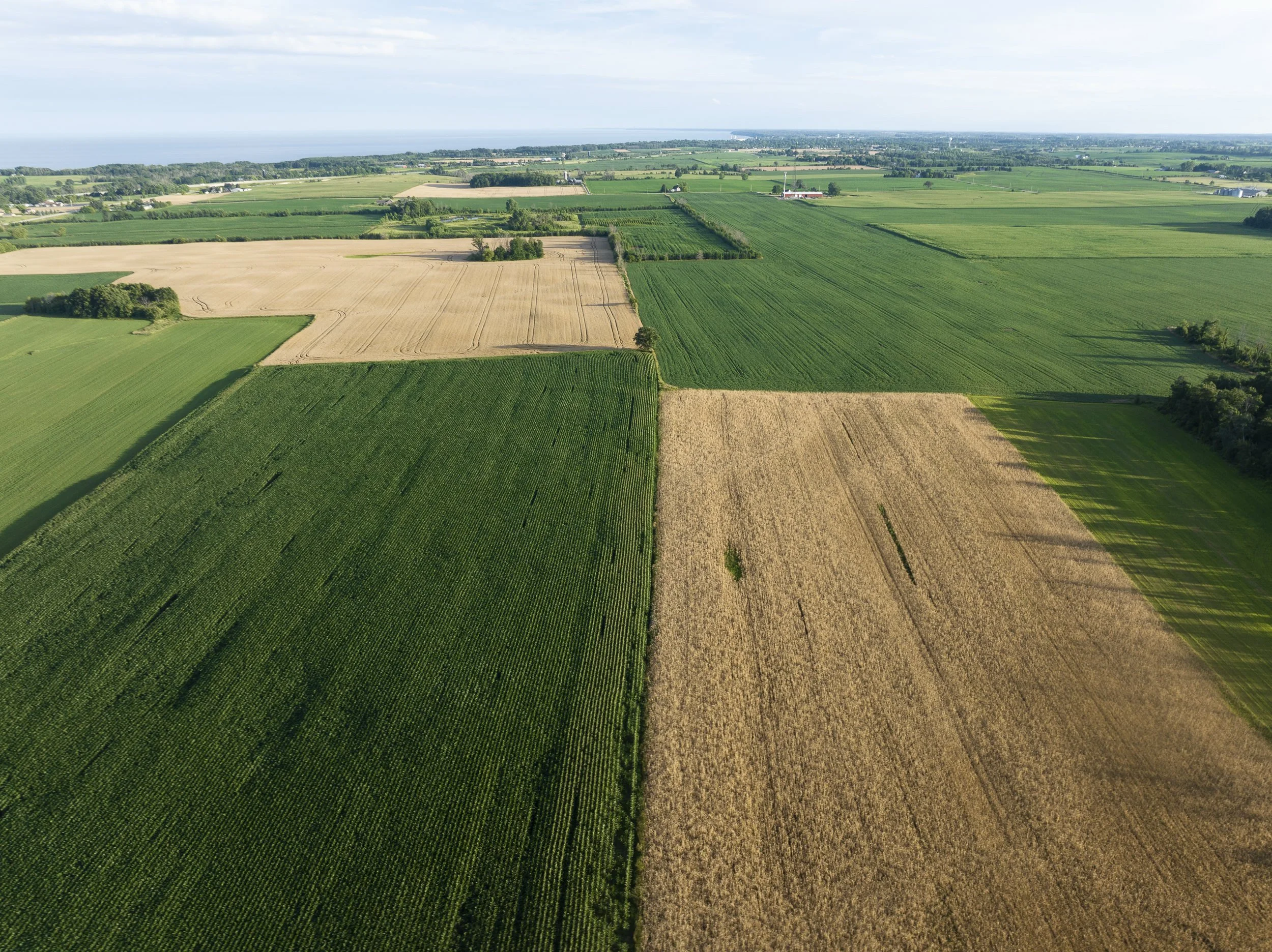
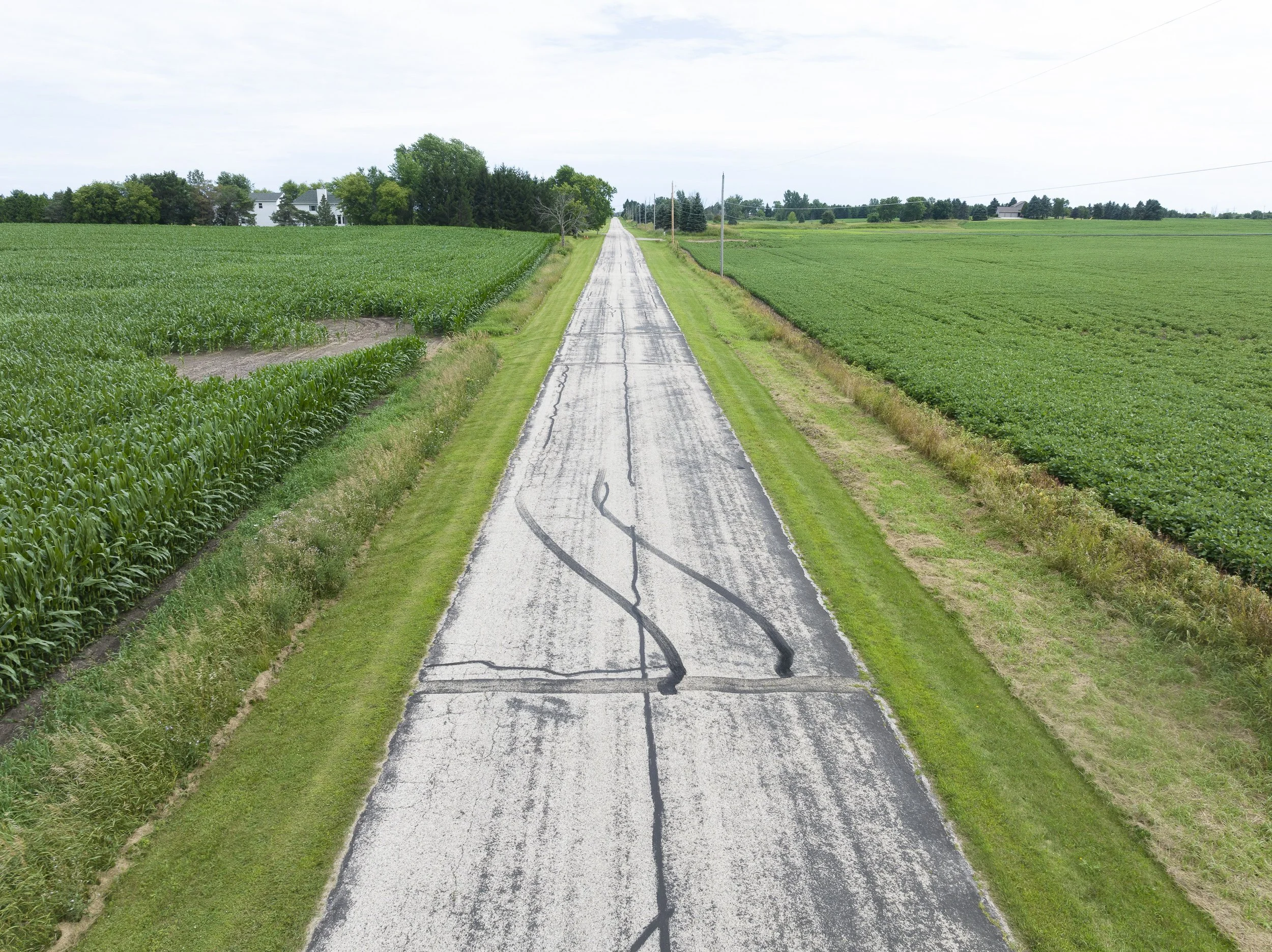
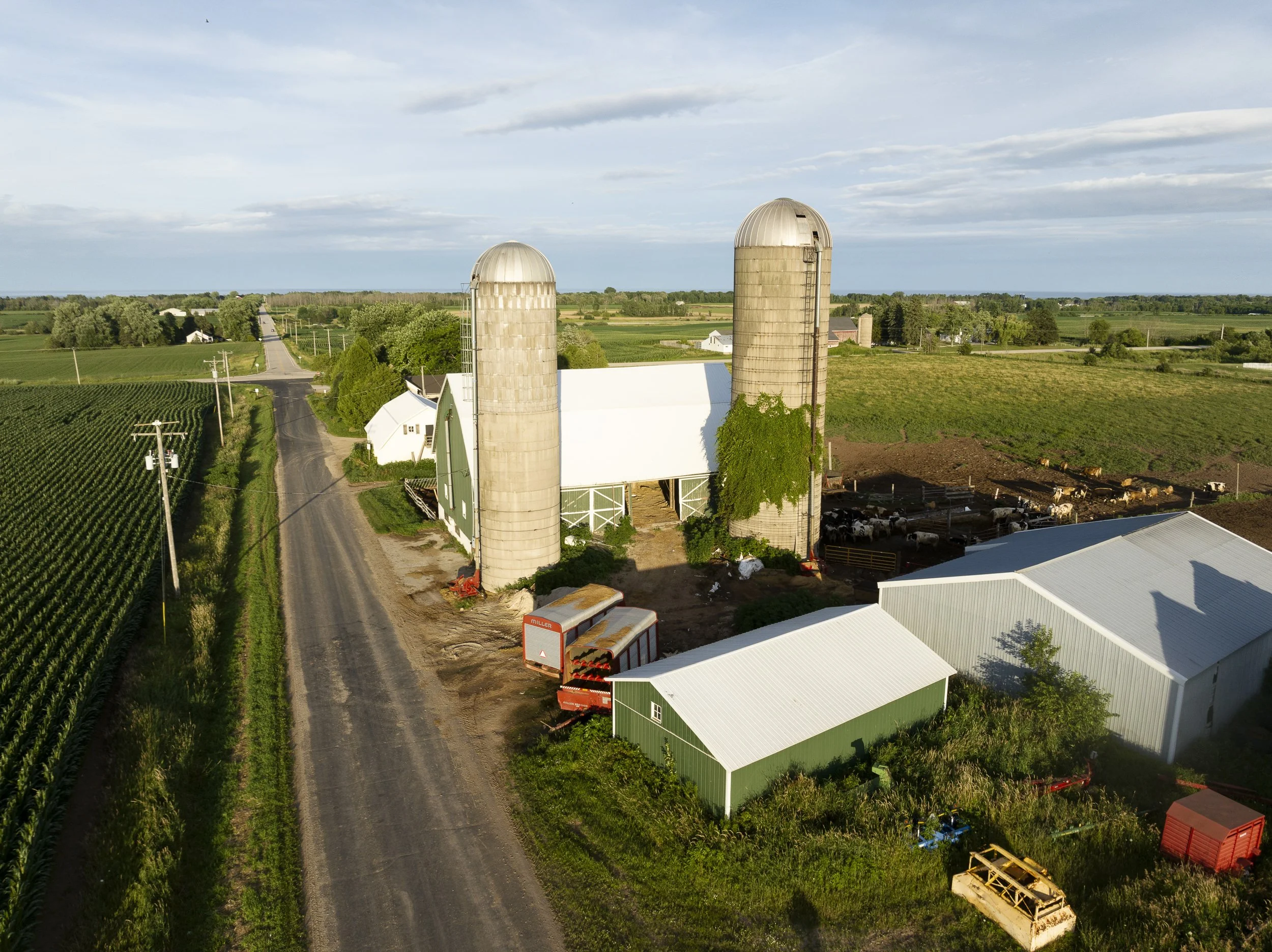
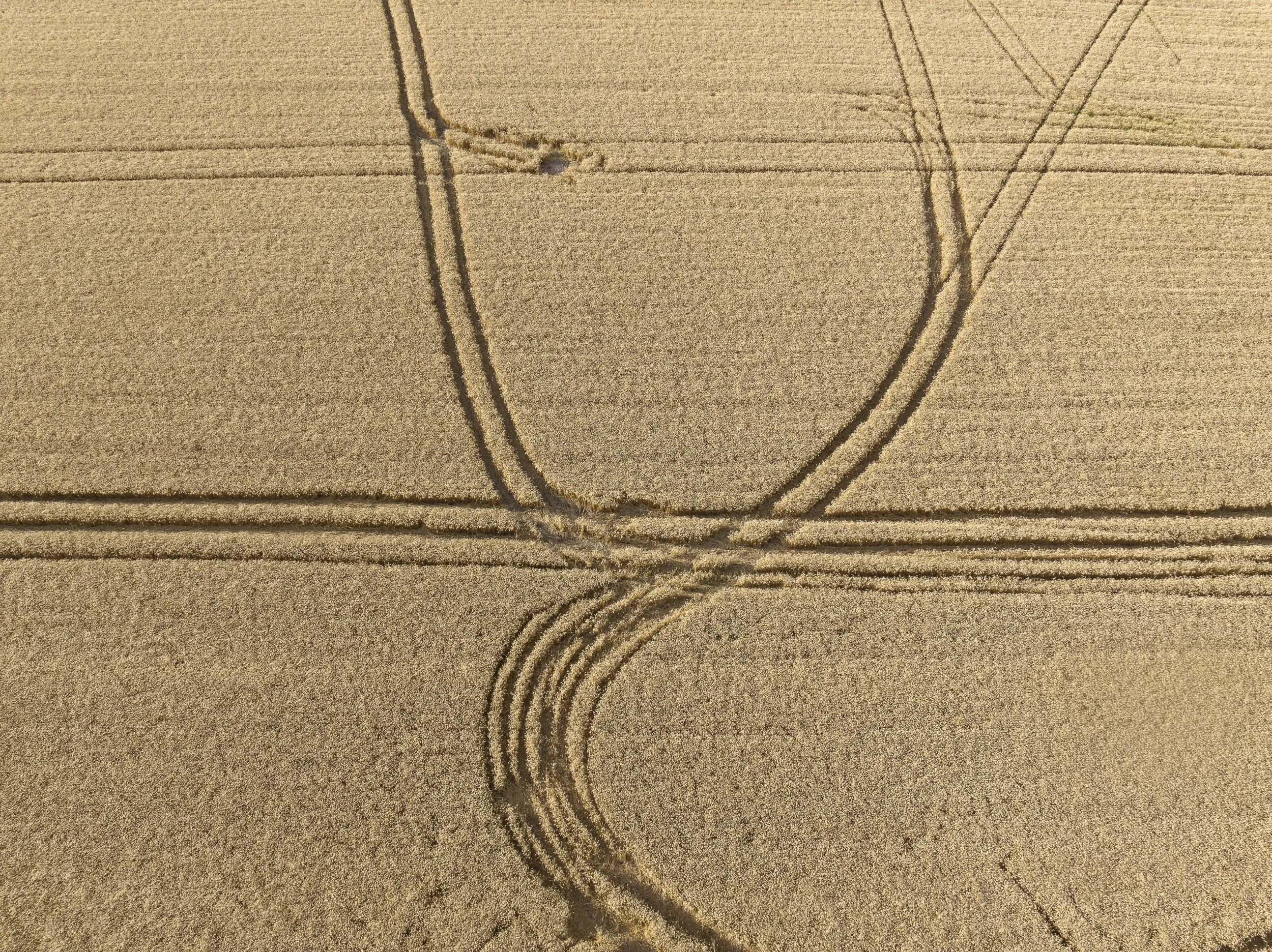
What made the assignment especially fun was getting to use so many different storytelling tools to bring that feeling to life. The drone helped show the scale of the land and how these farms sit within this vast, open geography near the lake. From above, the fields took on this graphic quality, with patterns, lines, and textures that made the story feel bigger than any one person or parcel of land.
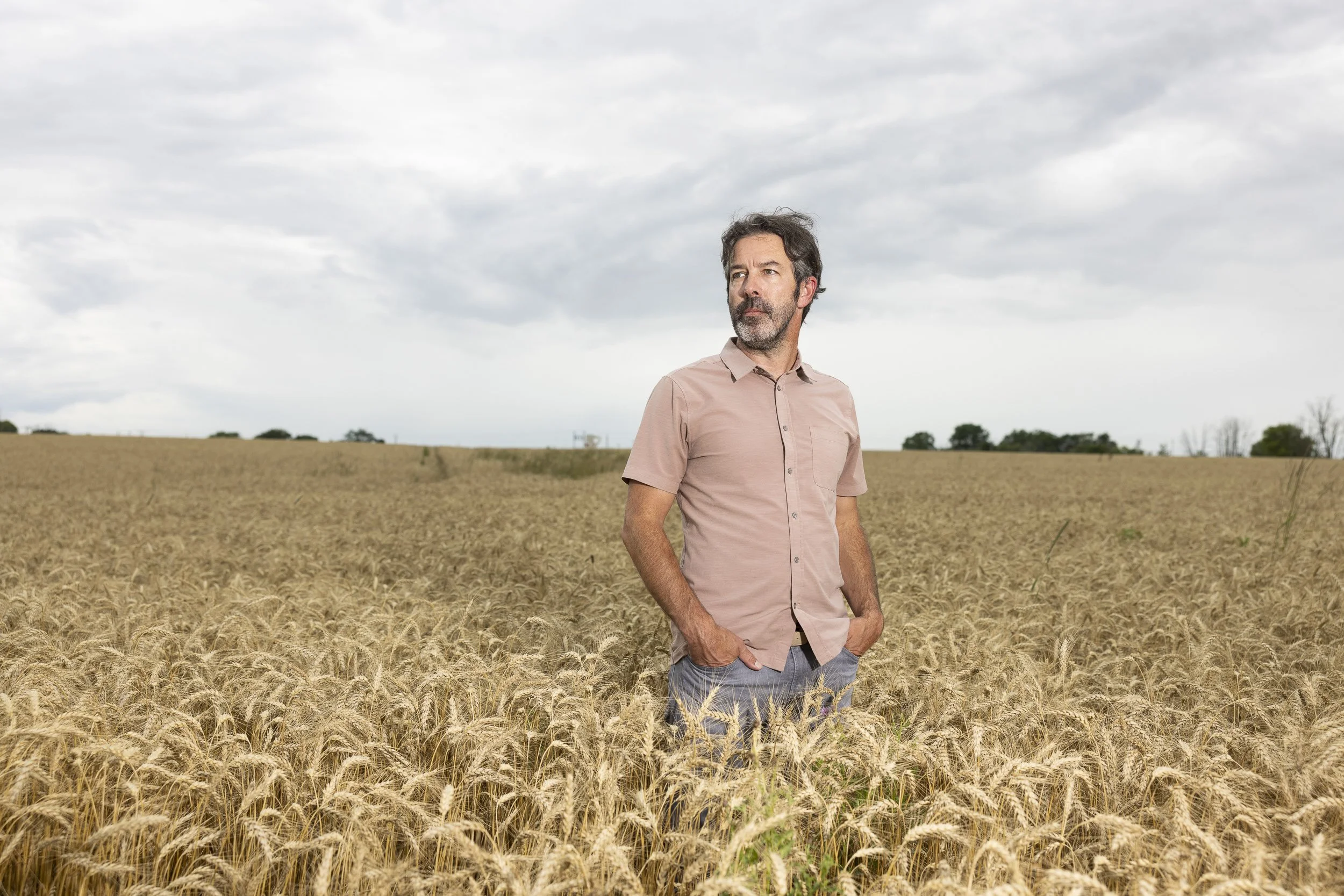
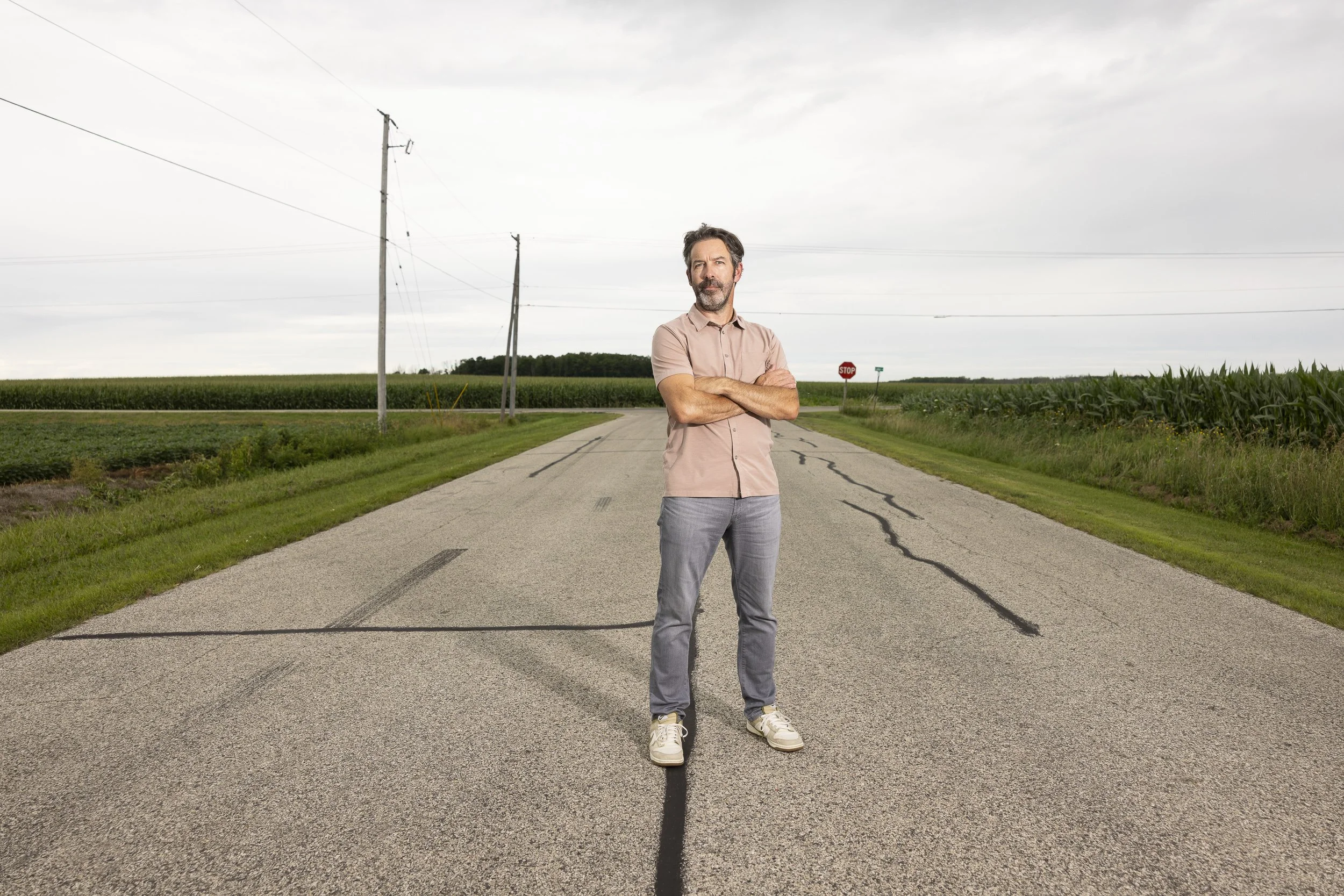
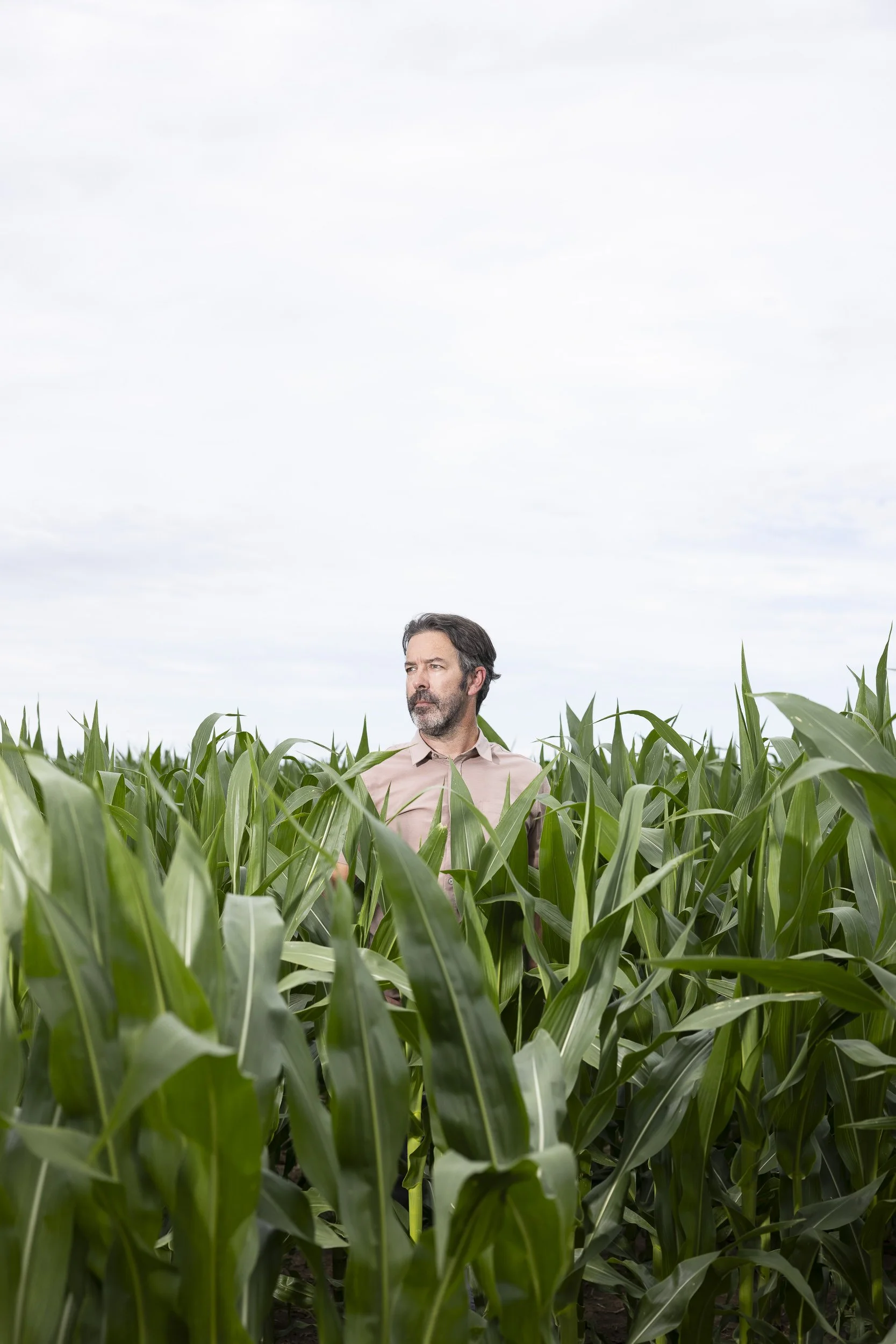
On the ground, the camera let us shift gears and get more intimate. Portraits gave the story a human center, grounding all that scale and industry in the people connected to the place. Motion added another layer entirely, helping capture not just what the landscape looks like, but what it feels like to stand in it, move through it, and experience that mix of stillness and transition.
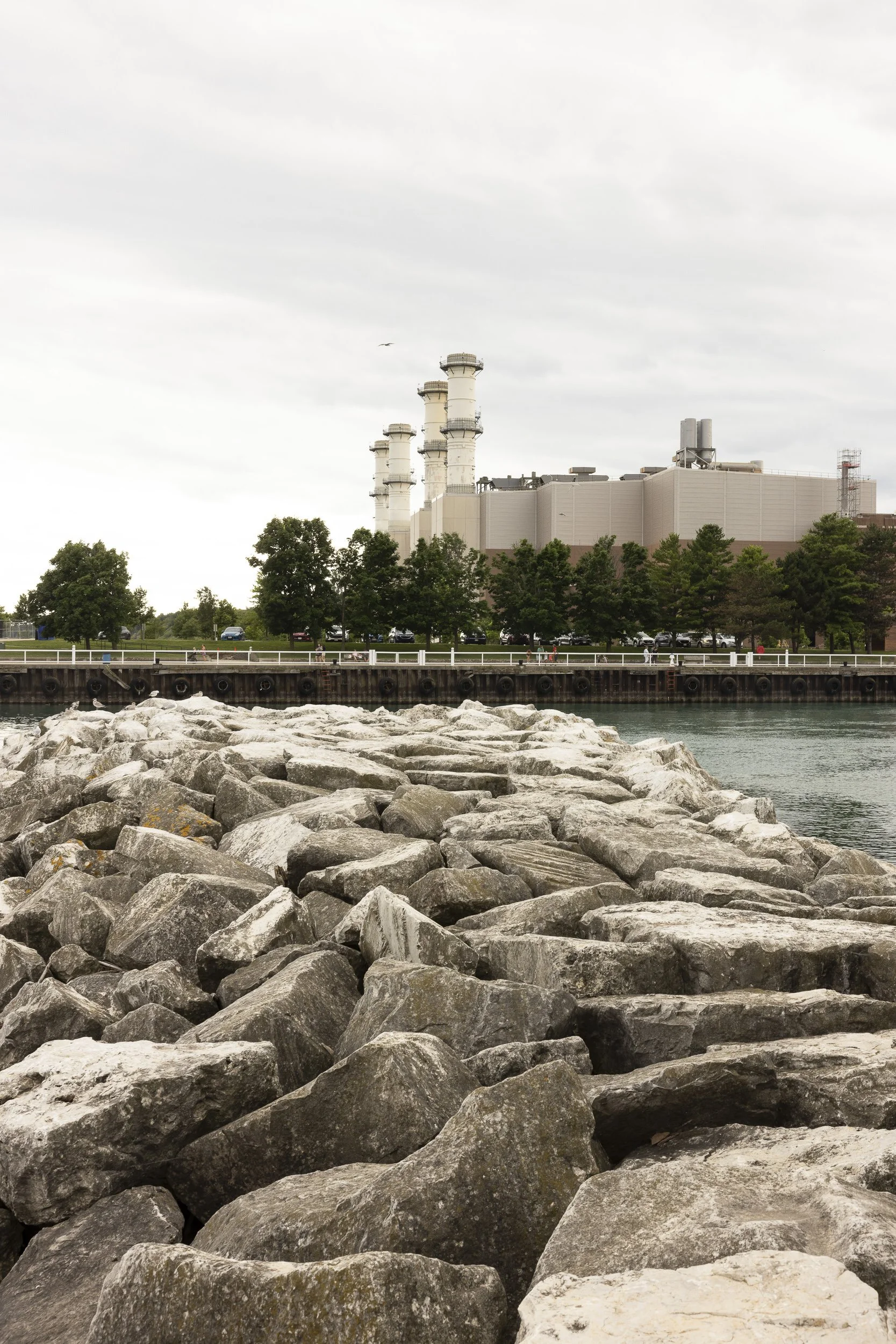
That’s always the rewarding part of assignments like this, using every tool available to tell a fuller story. Aerials, portraits, documentary moments, and motion all bring something different. Together, they helped show both the beauty of this open farmland along Lake Michigan and the larger forces beginning to reshape it.