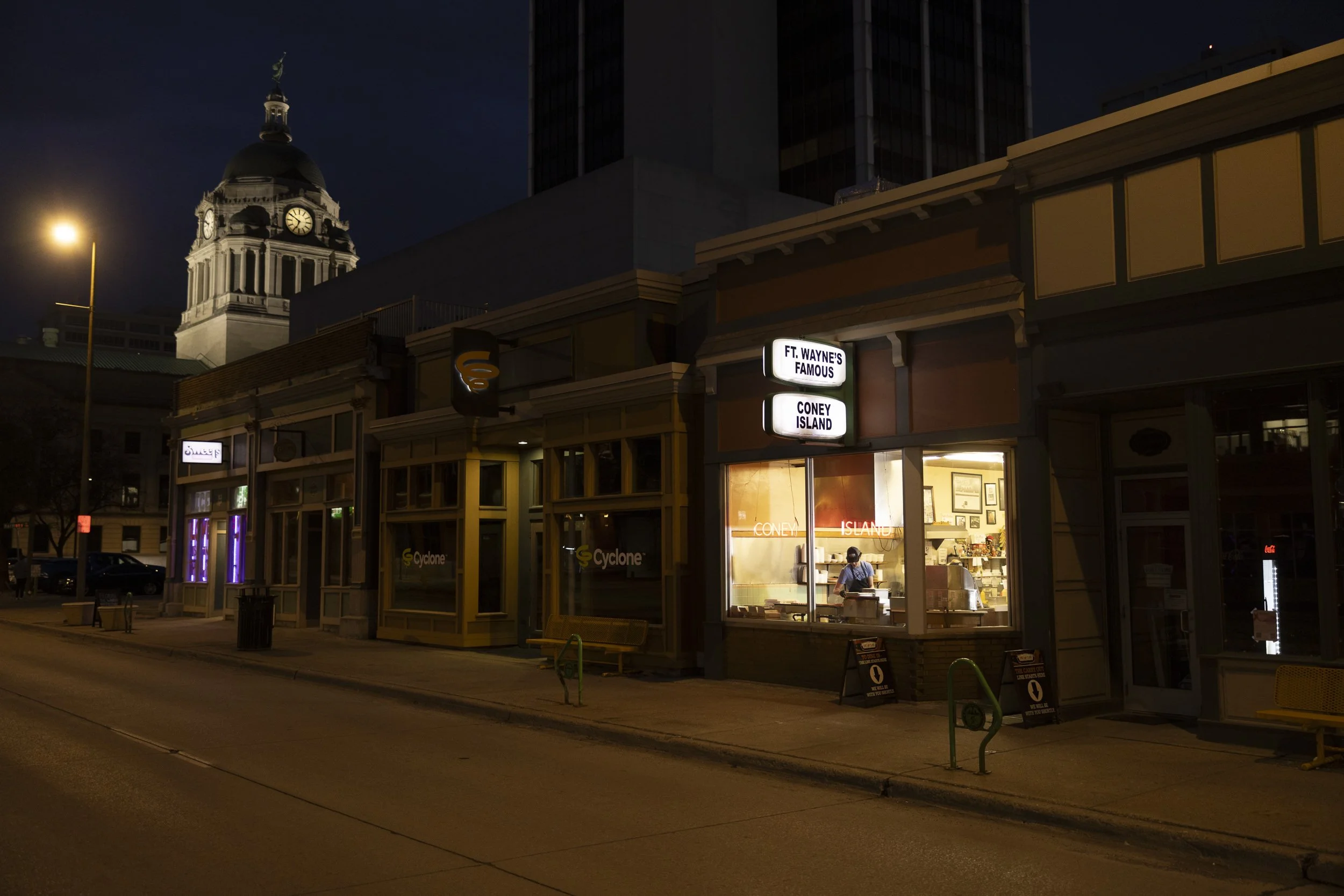
The World’s Oldest Hot Dog Stand for National Geographic
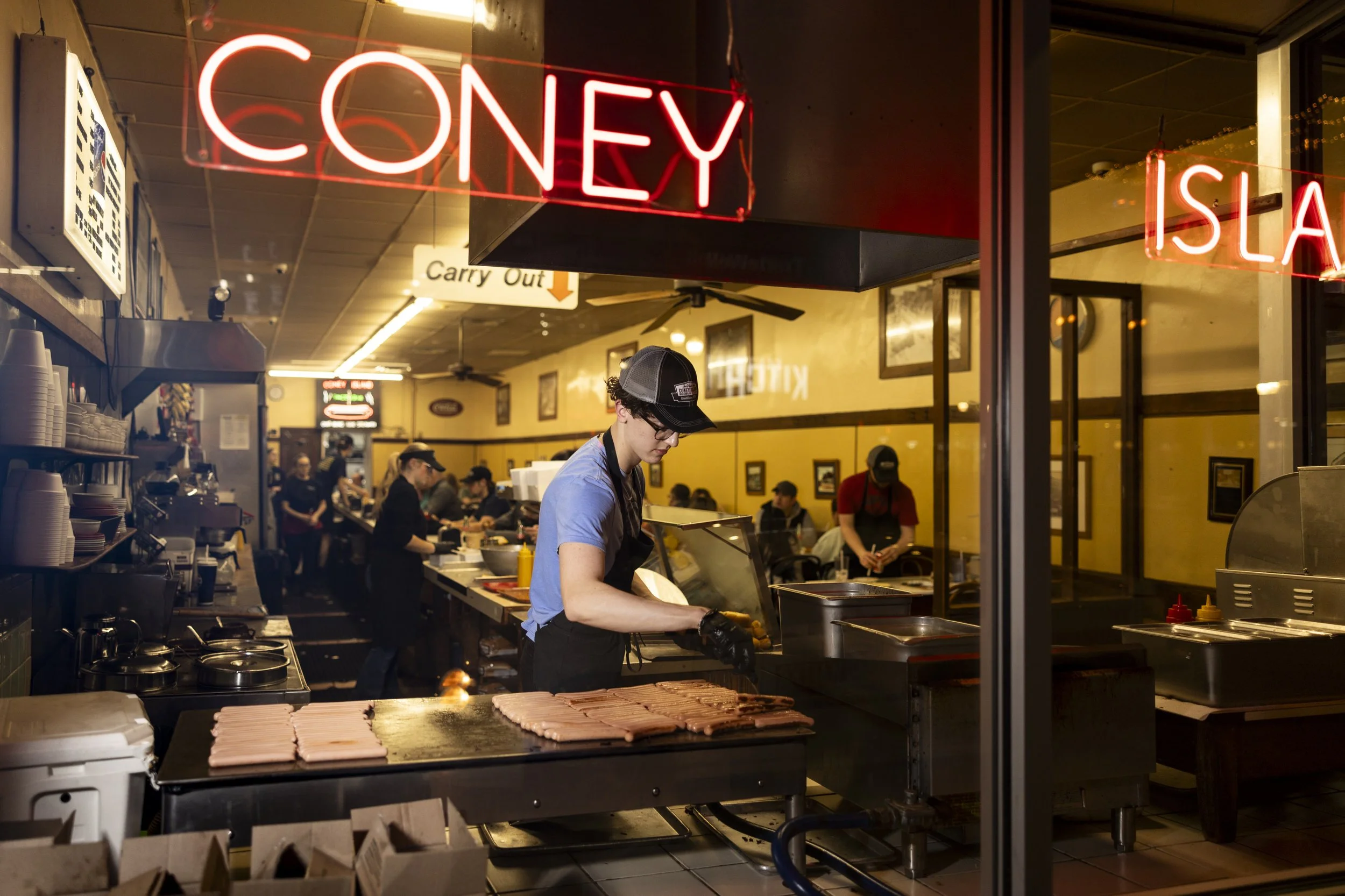
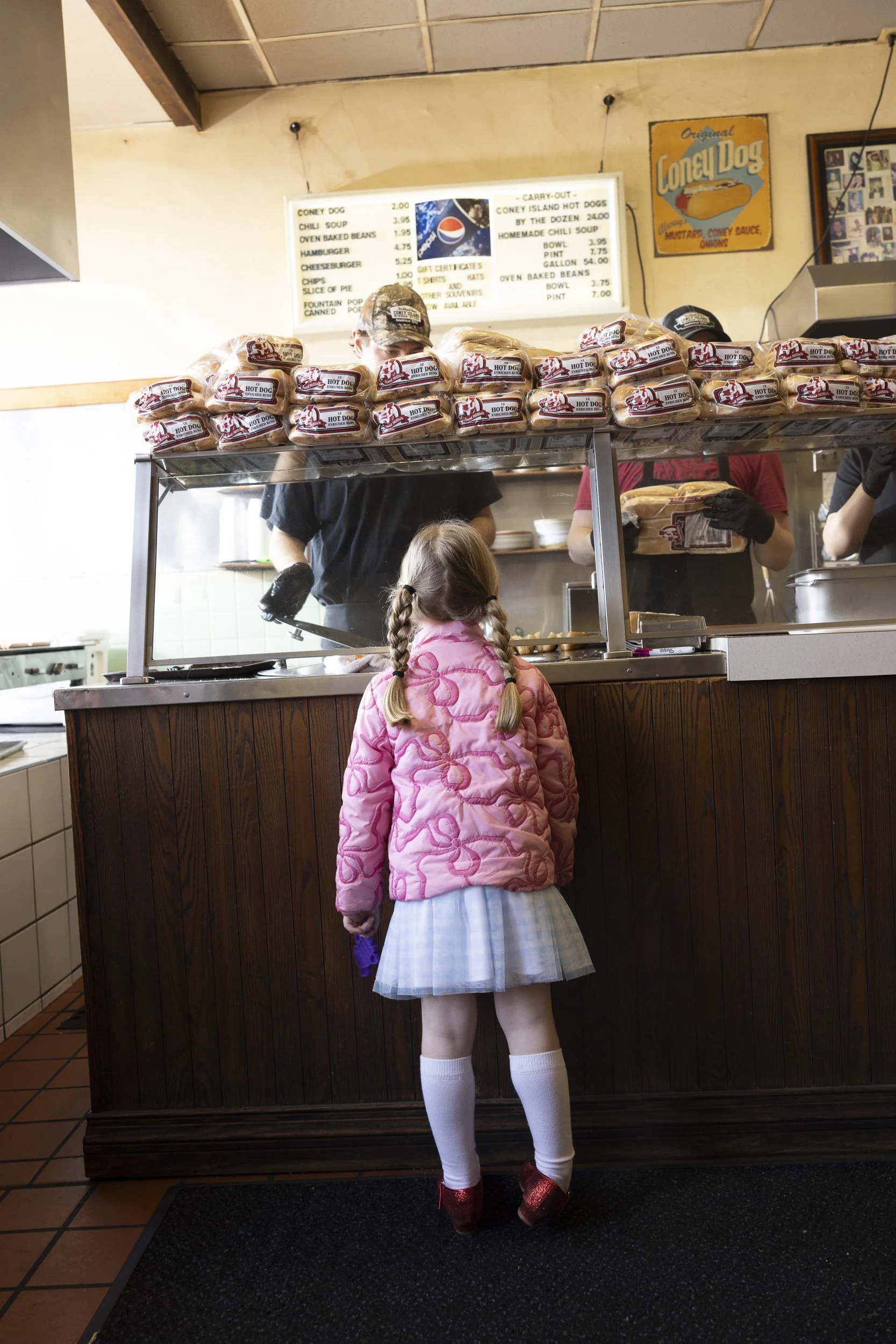
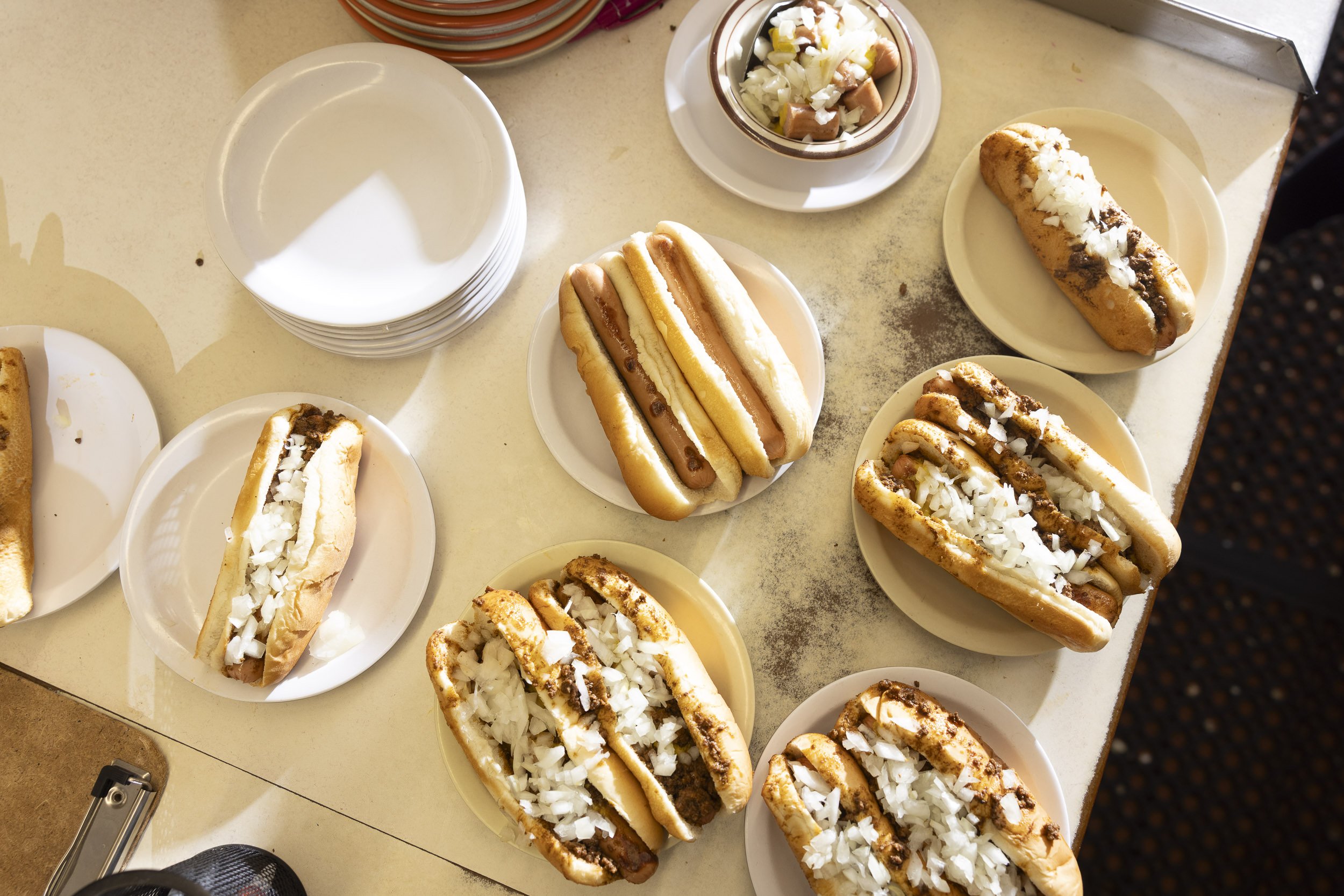
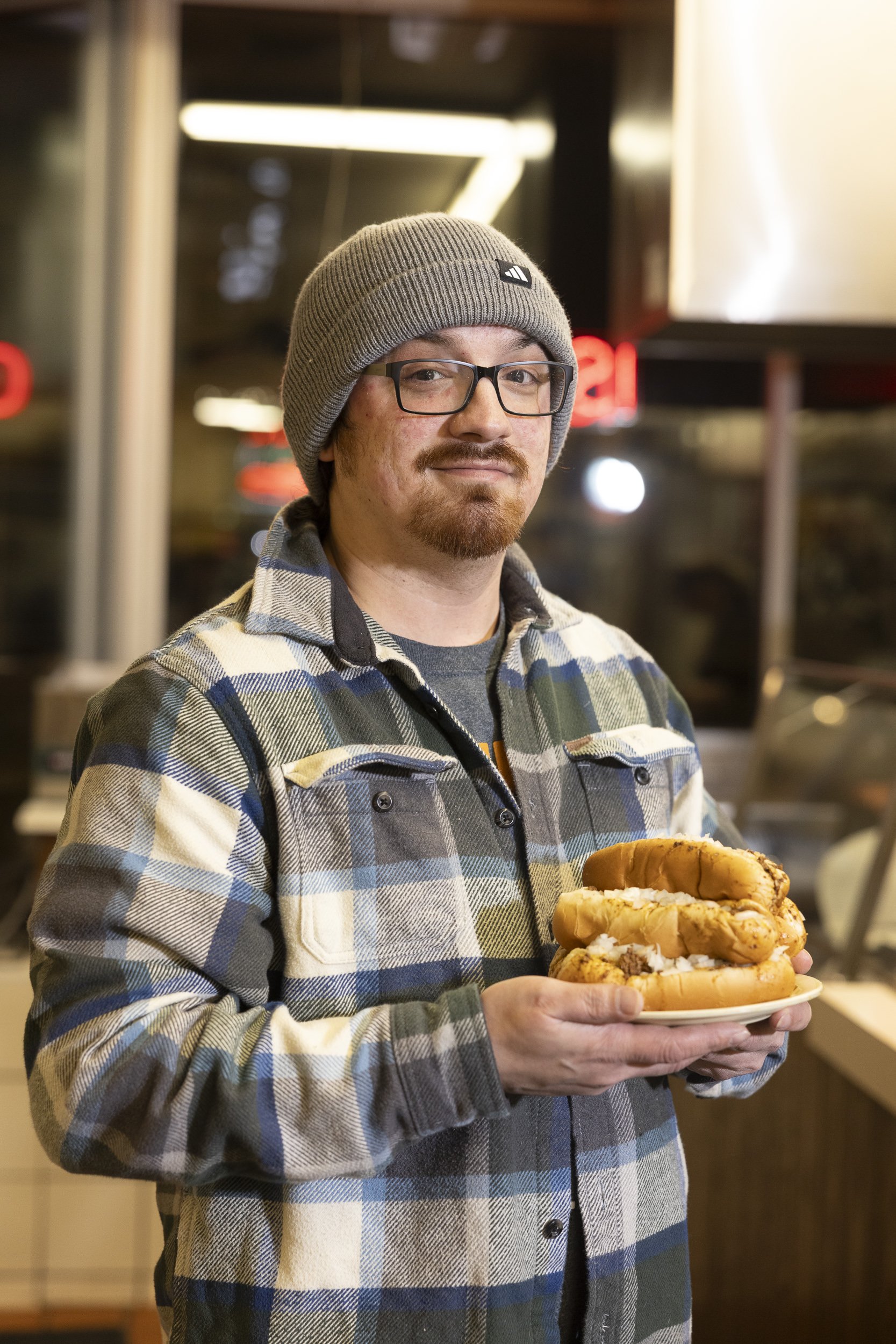
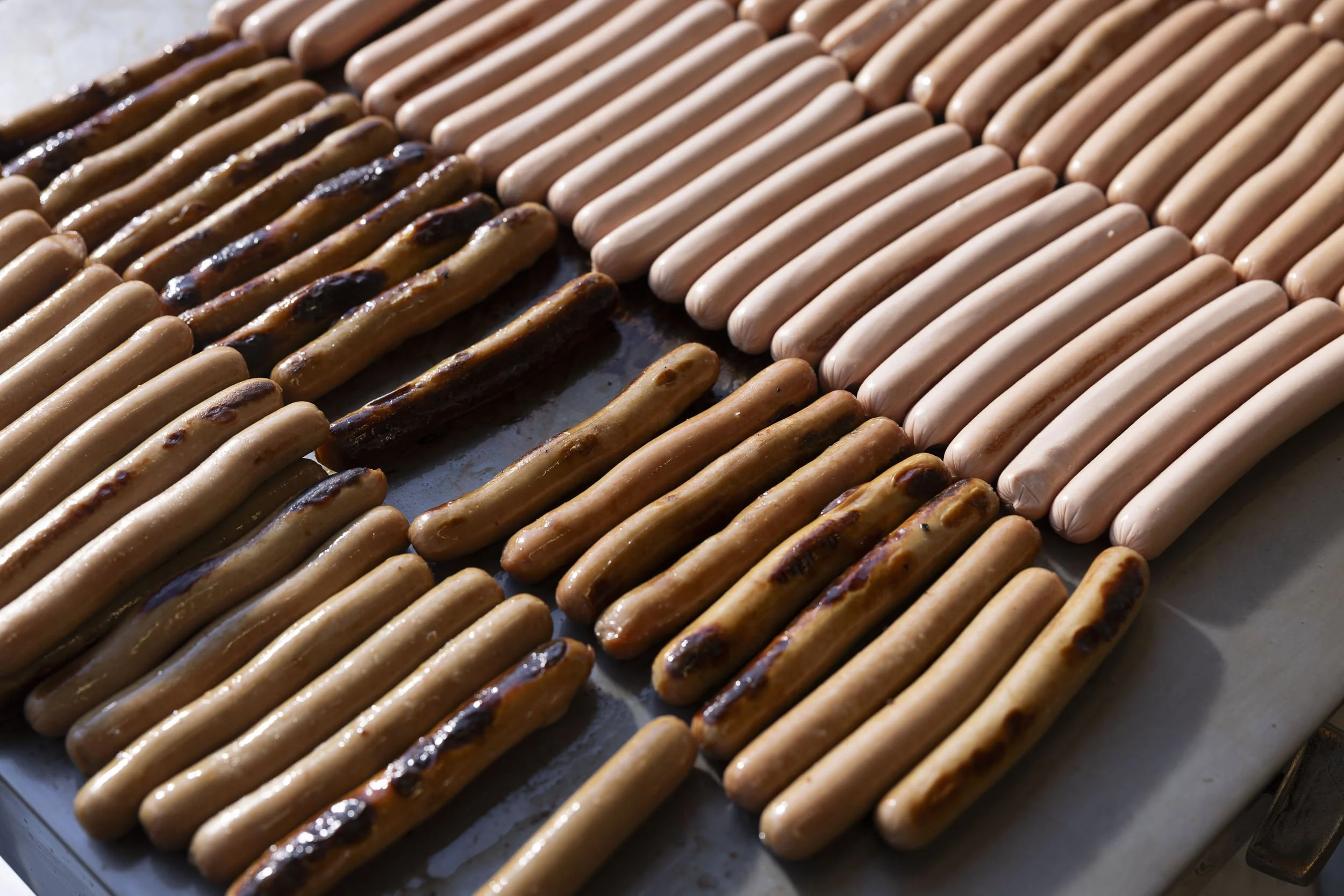
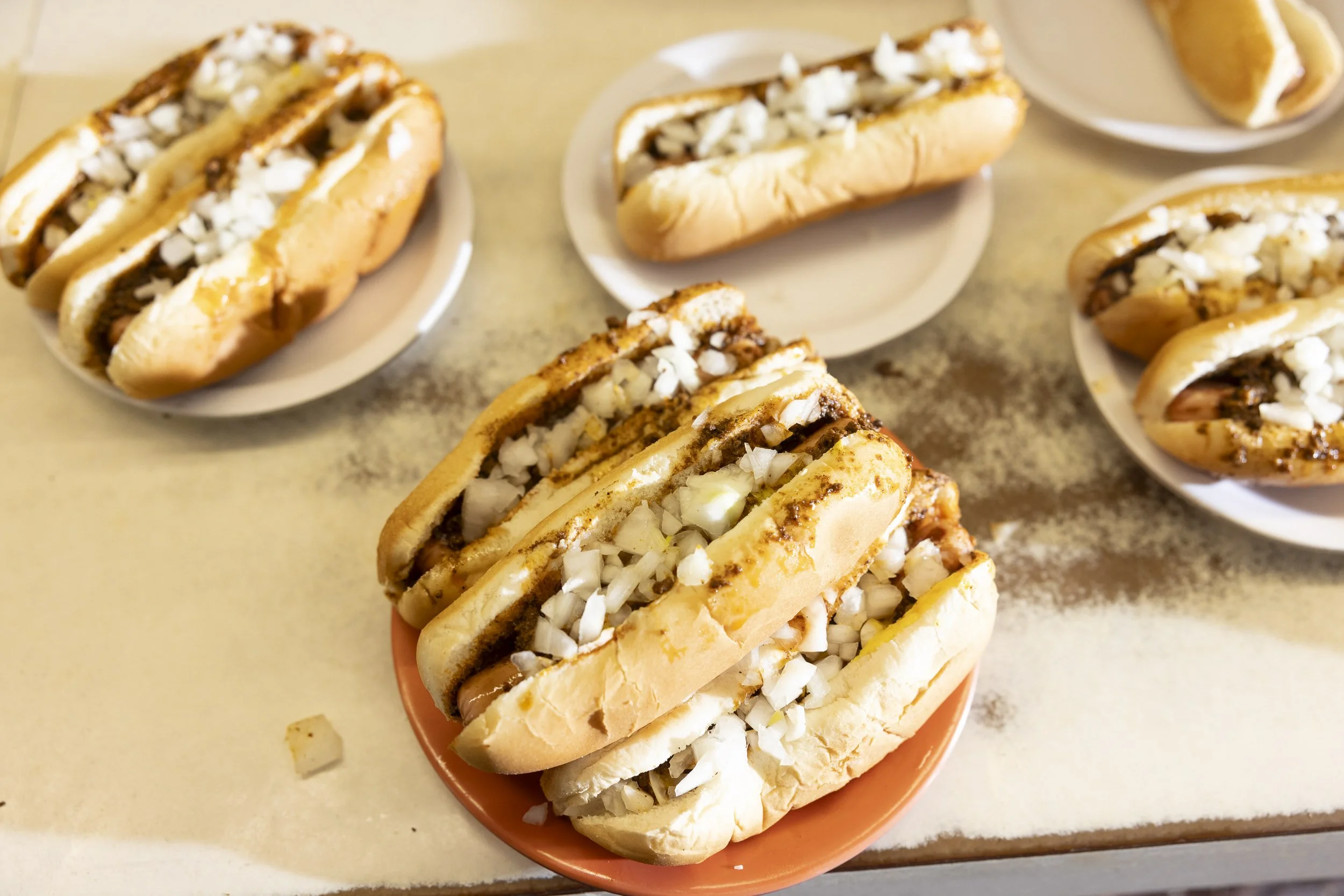
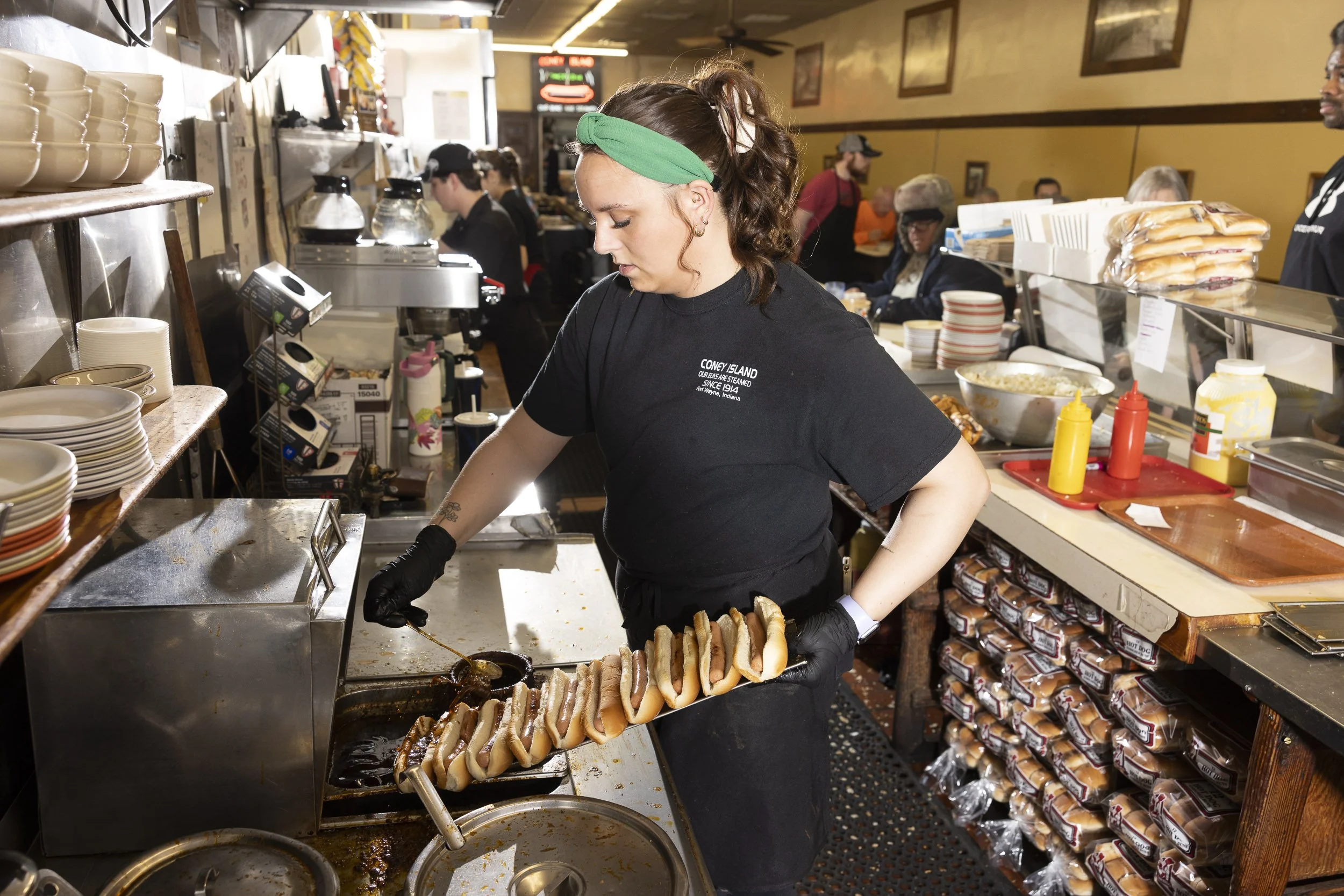
There are places in America that feel almost untouched by time. Not because they have been frozen in place, but because generation after generation has decided they are worth preserving. During a recent assignment for National Geographic, we spent several days photographing the world's largest hot dog stand in Fort Wayne, Indiana.
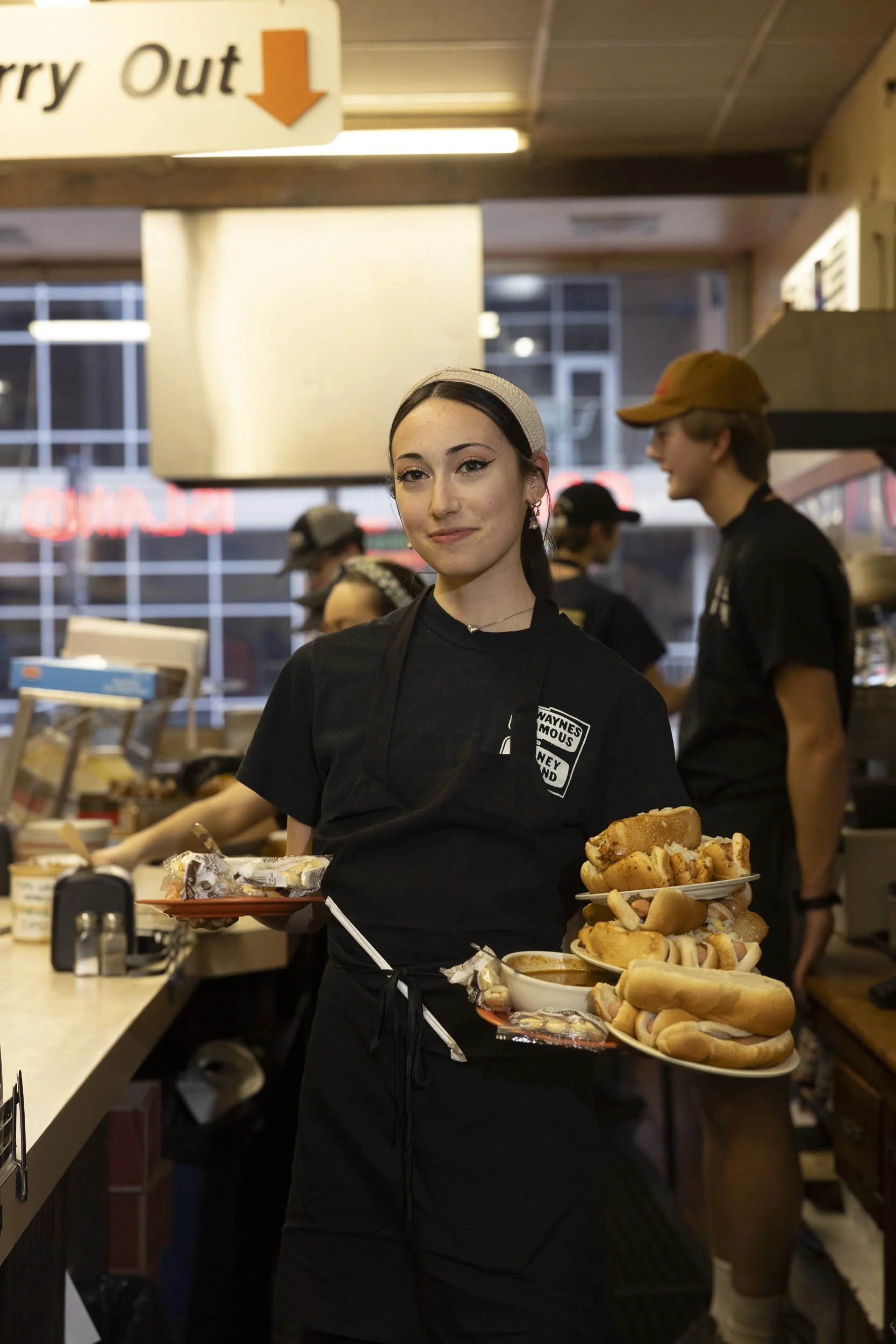
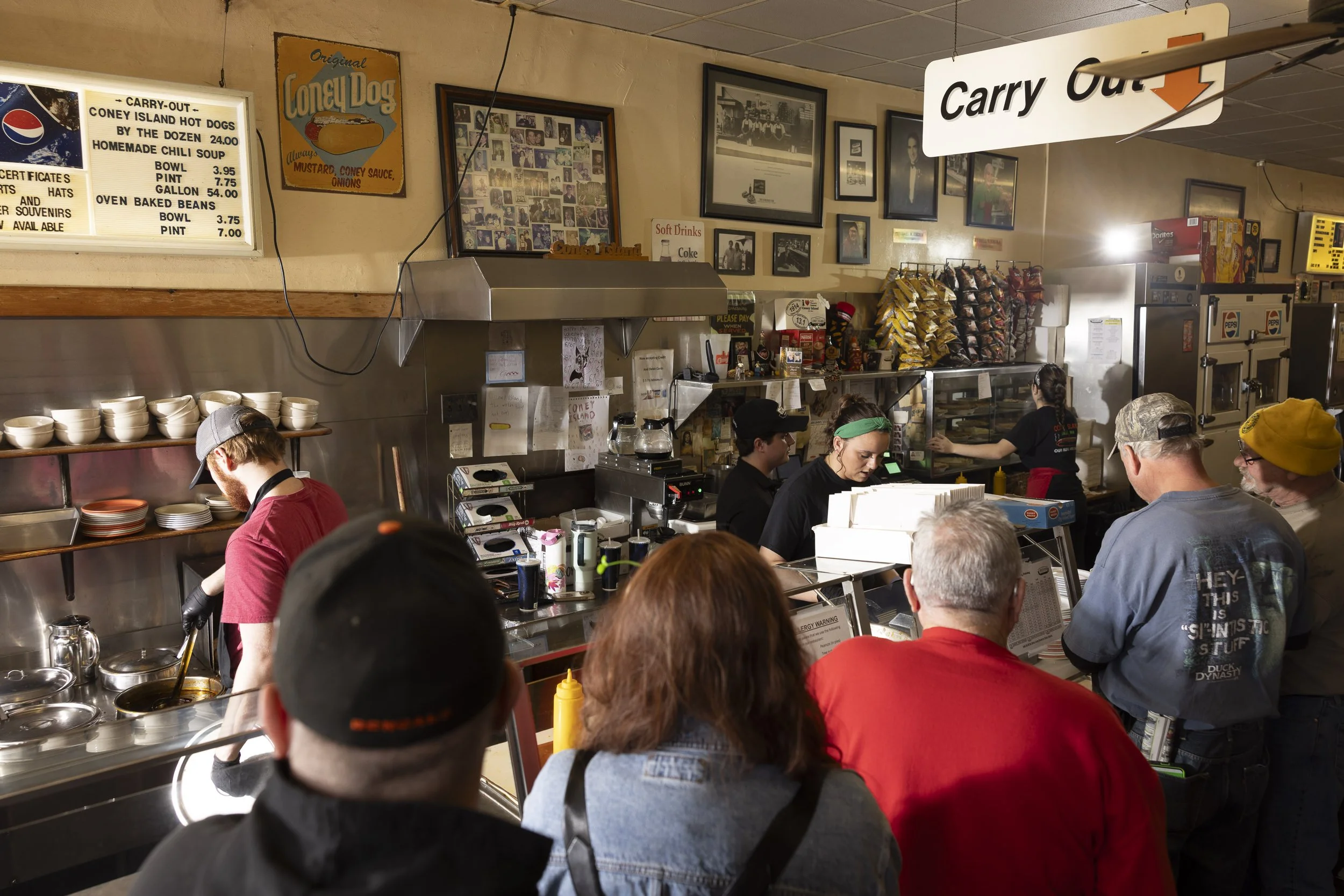
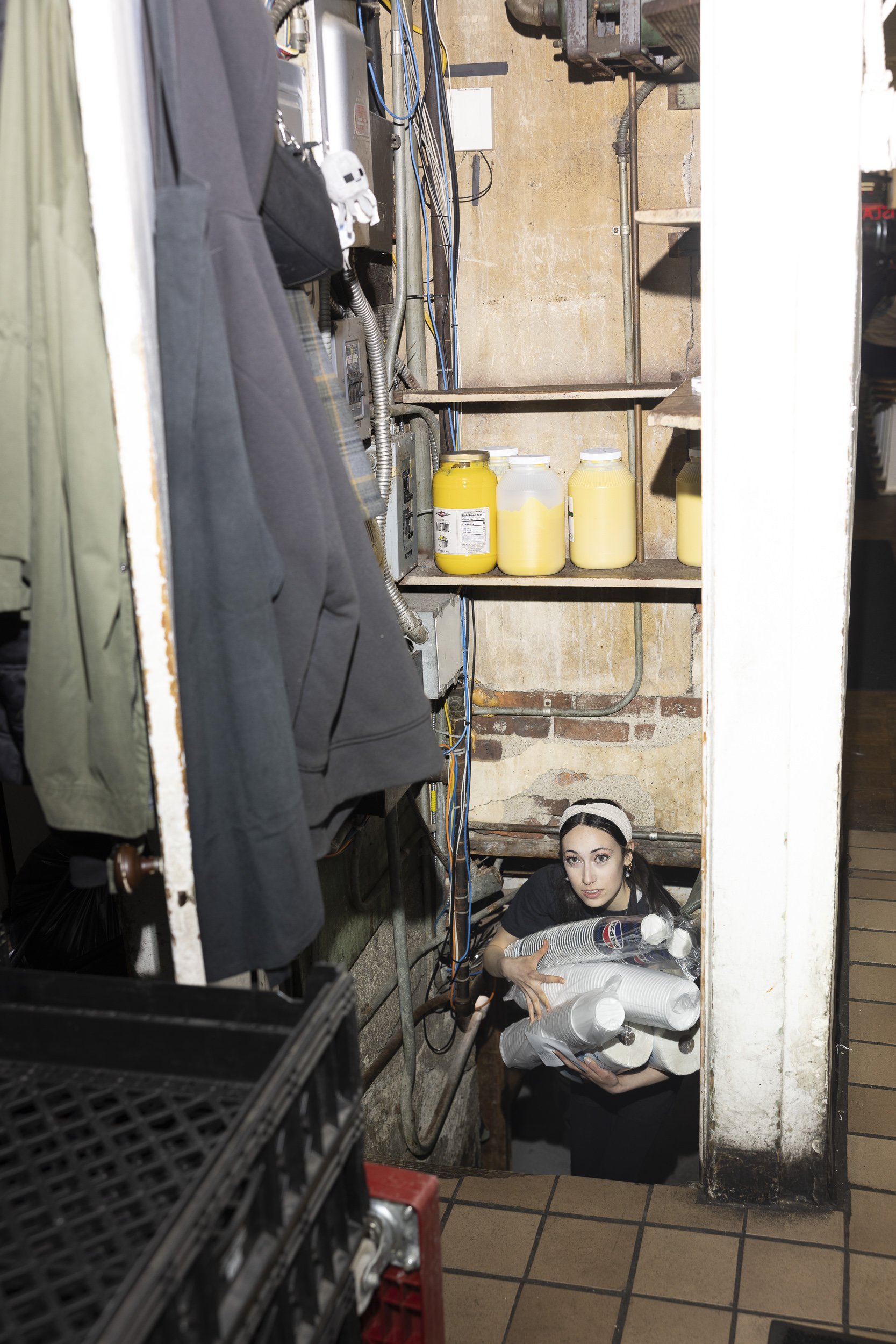
What began as a photography assignment quickly became something more. After a few days of lingering around the counter, squeezing into corners with cameras, and showing up from open to close, the staff stopped treating us like visitors. By the end of our time there, we felt less like photographers and more like honorary employees. They welcomed us into their routines, shared stories between lunch rushes, and patiently tolerated the endless questions that come with trying to understand a place through photographs.
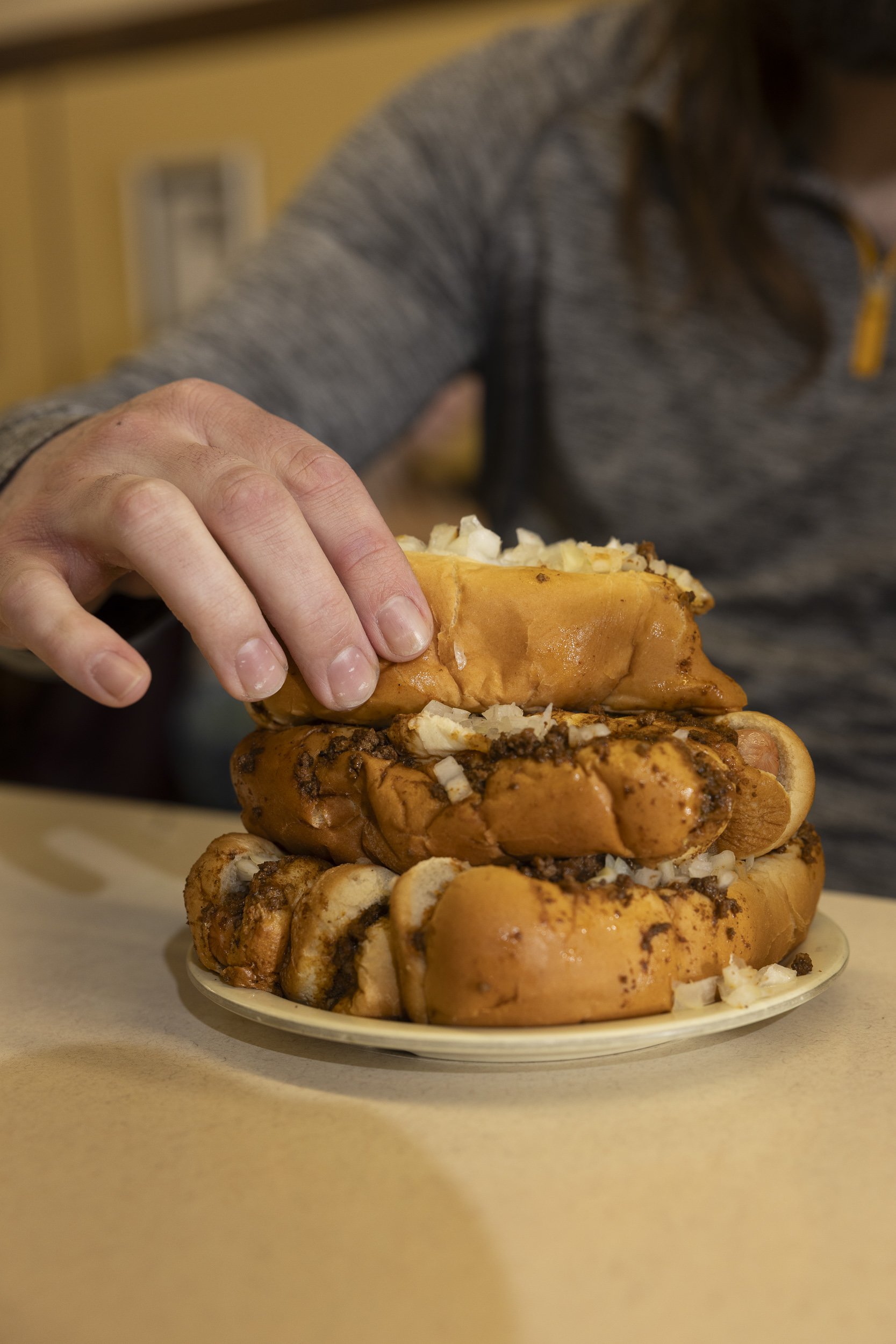
What struck us most wasn't the hot dogs themselves, though they were excellent. It was the people.
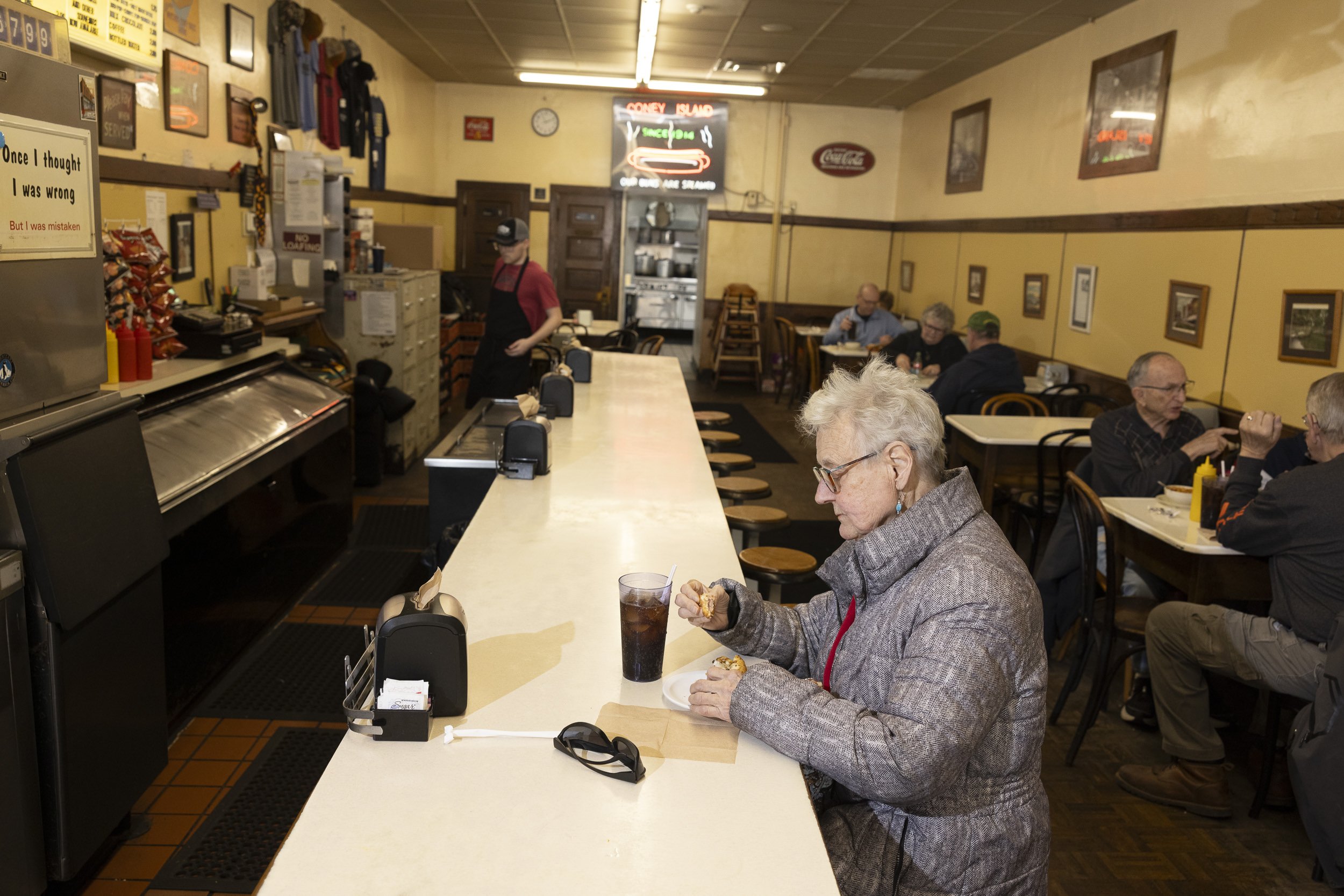
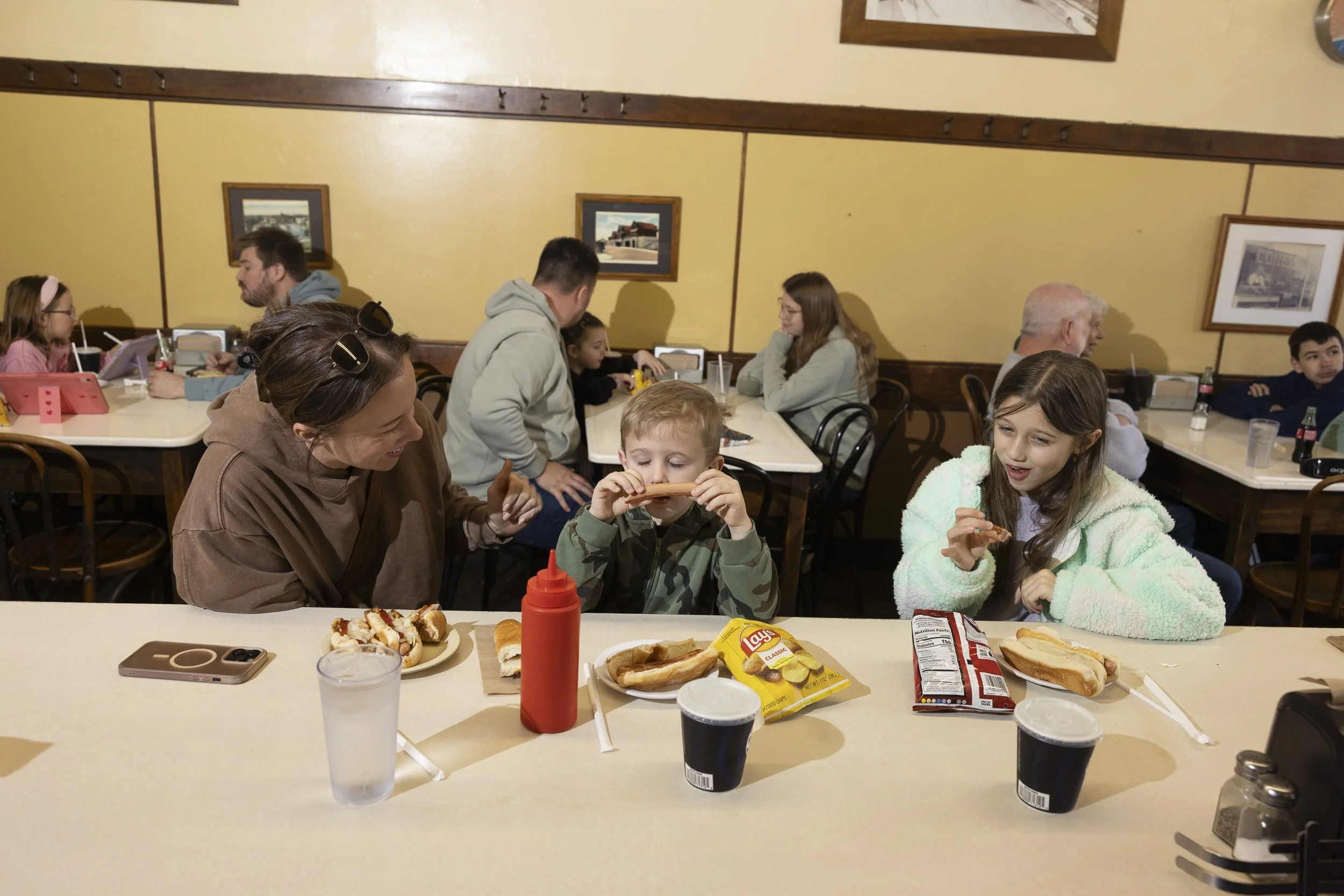
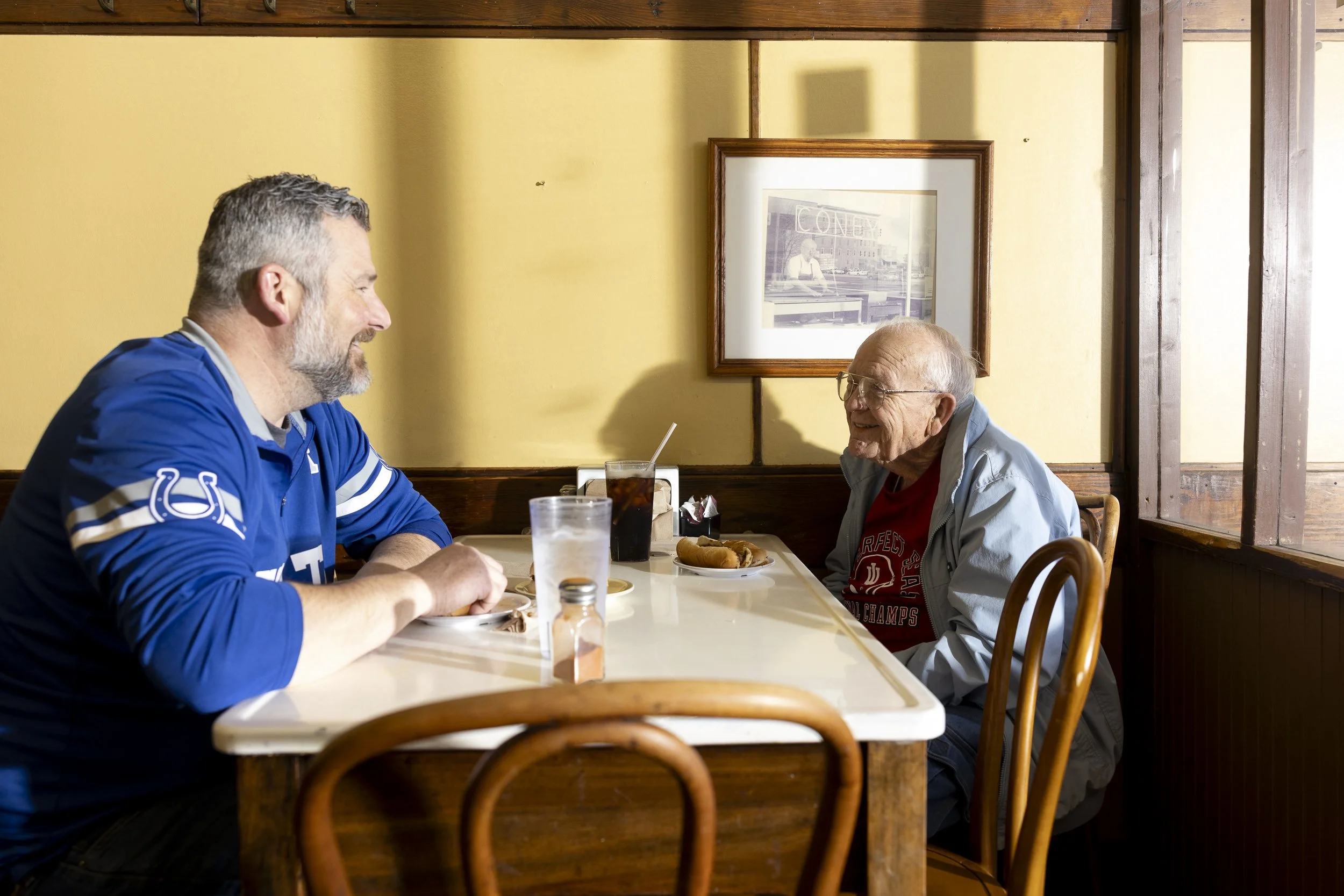
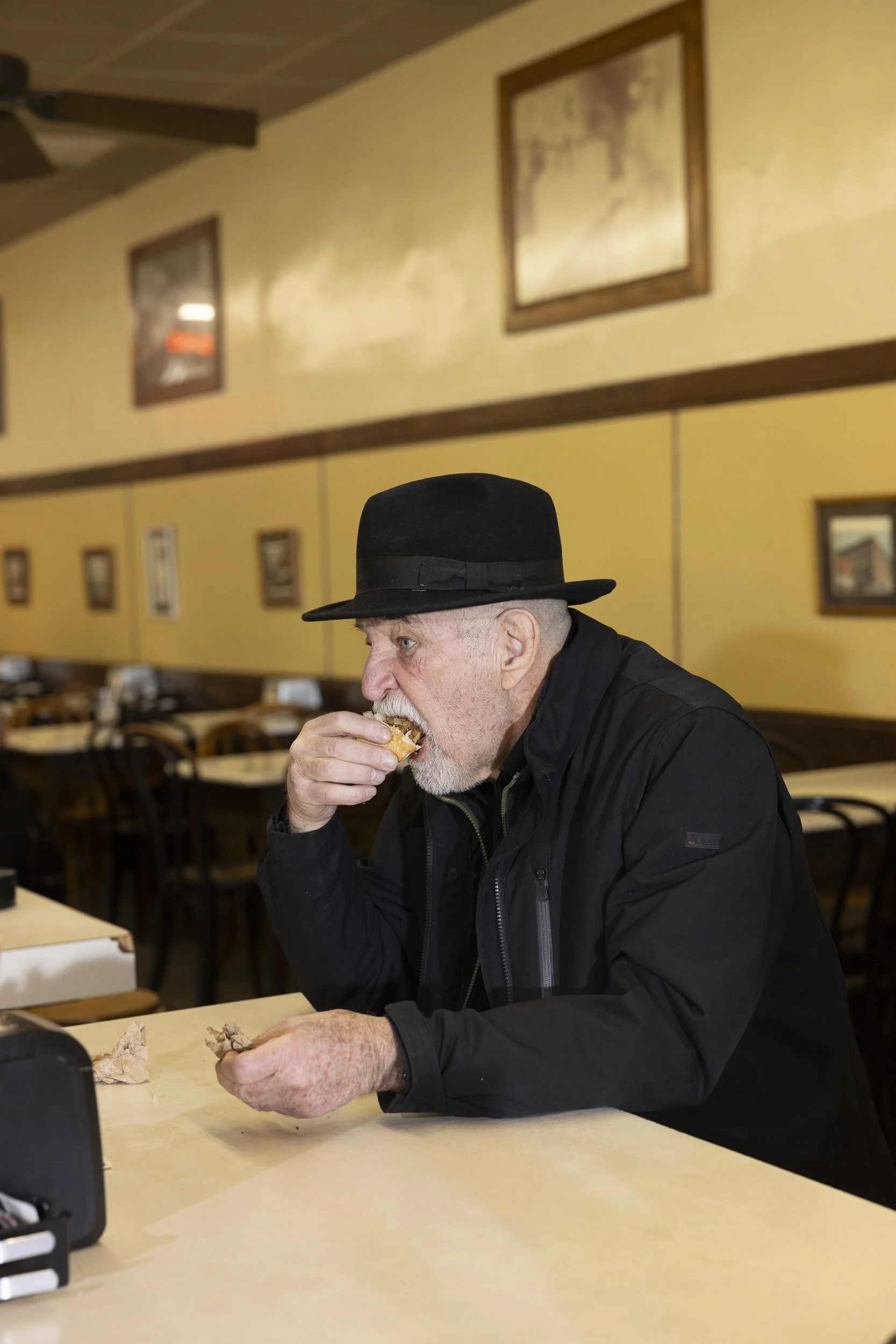
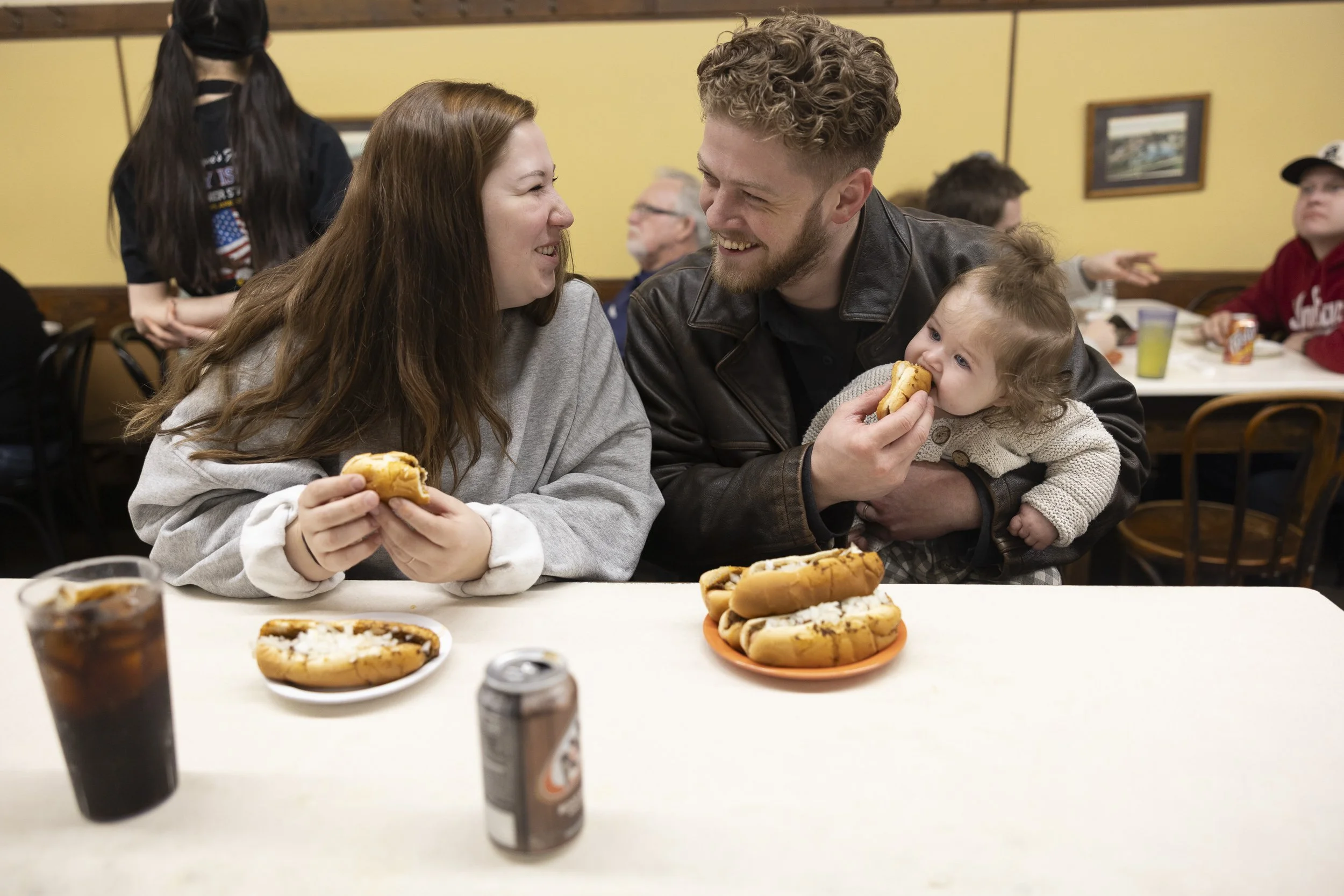
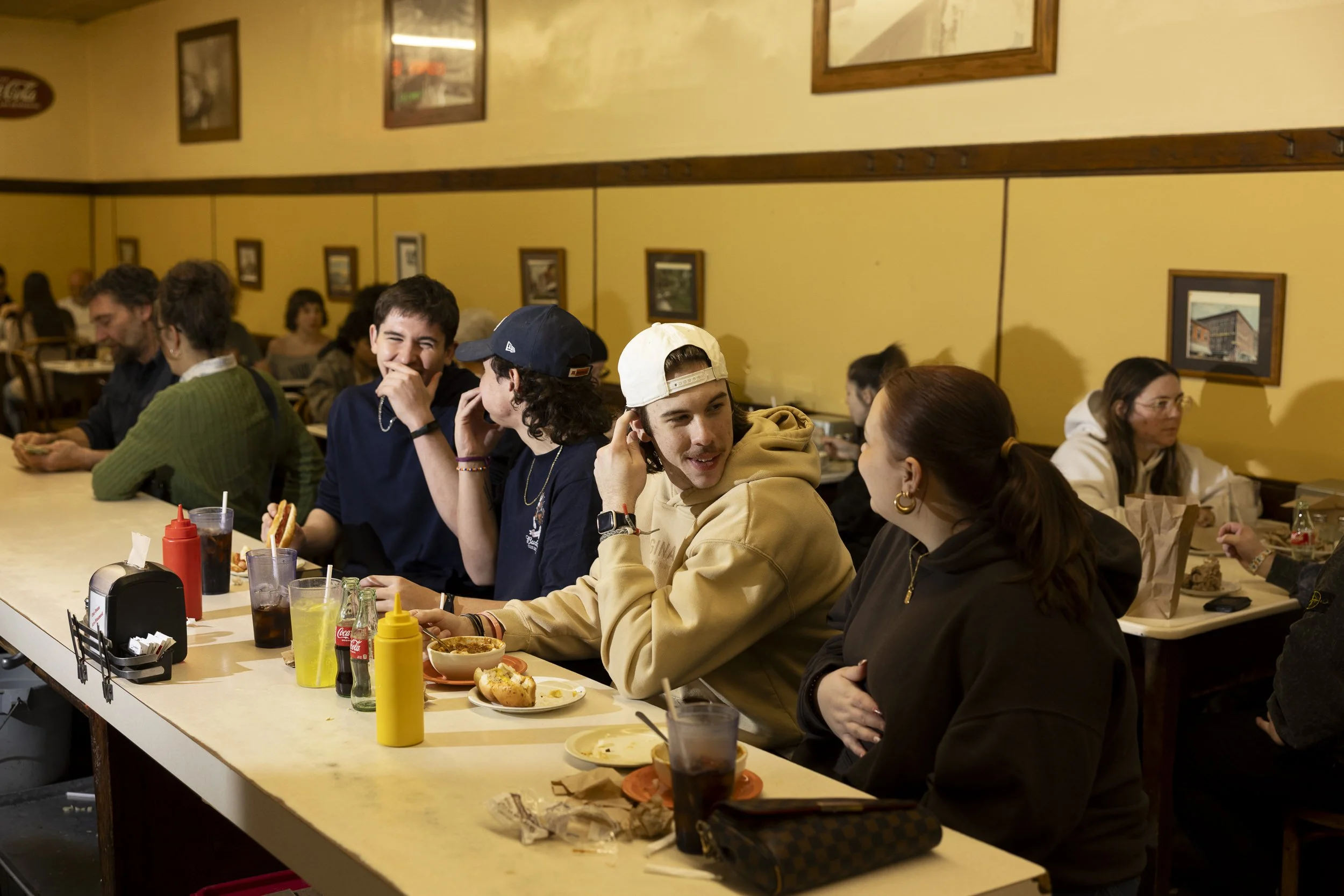
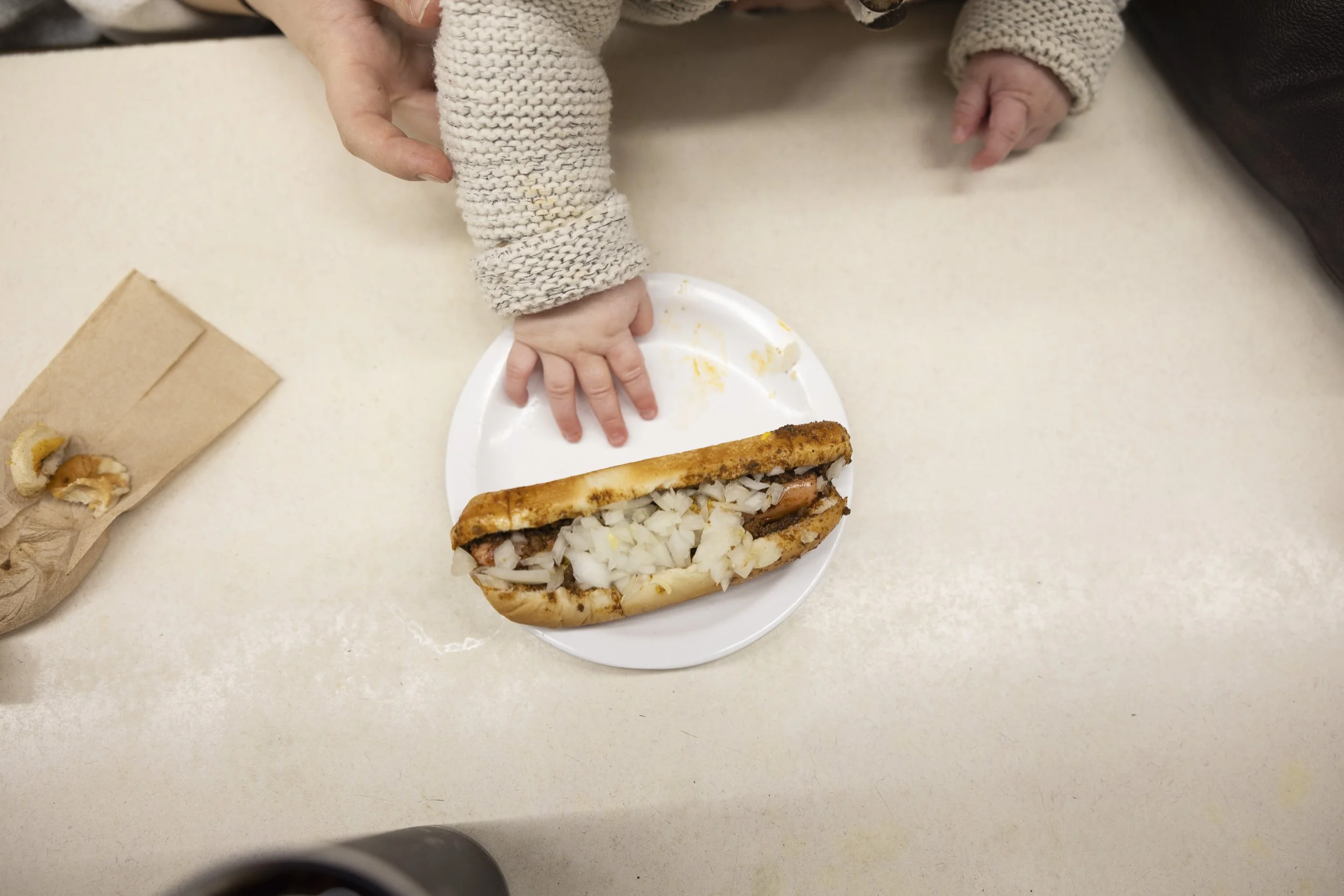
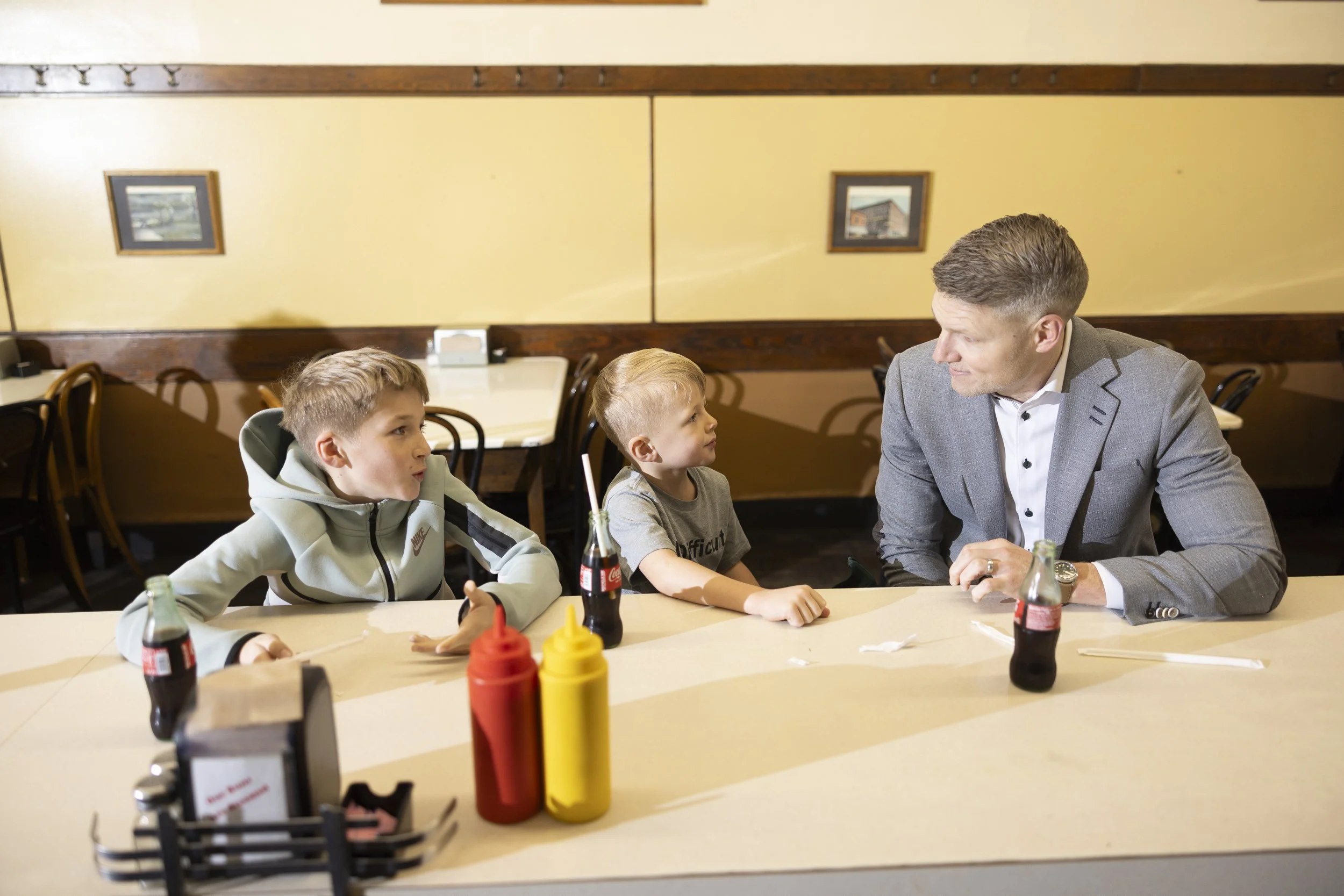
We met customers who had been coming there since they were four or five years old. Now in their seventies and eighties, they still walk through the same doors, often bringing children and grandchildren along with them. The stories were remarkably similar. A grandfather remembered being brought there by his father. A grandmother recalled stopping in after school decades ago. Today, they return with another generation in tow, creating memories in the same booths and over the same meals.
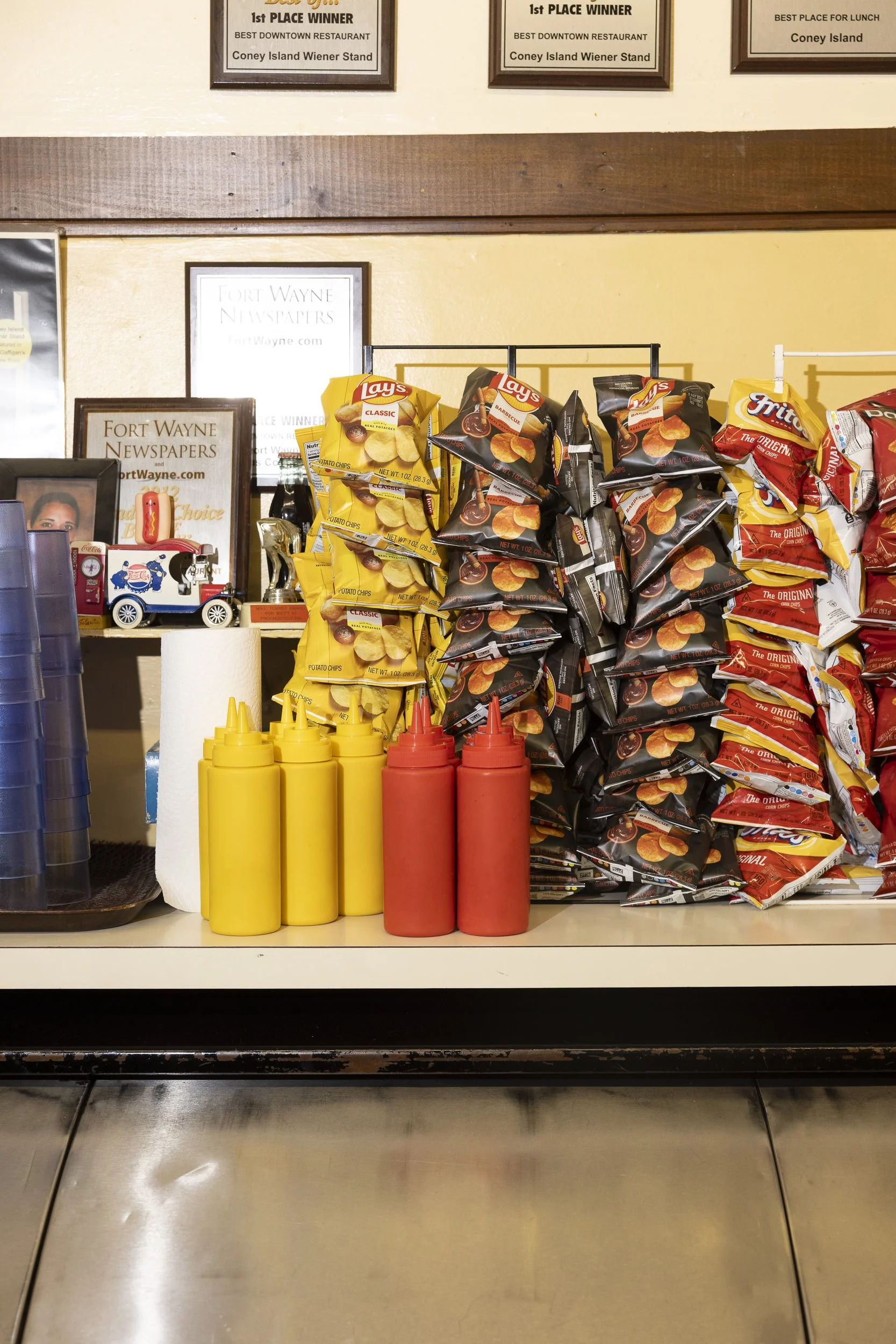
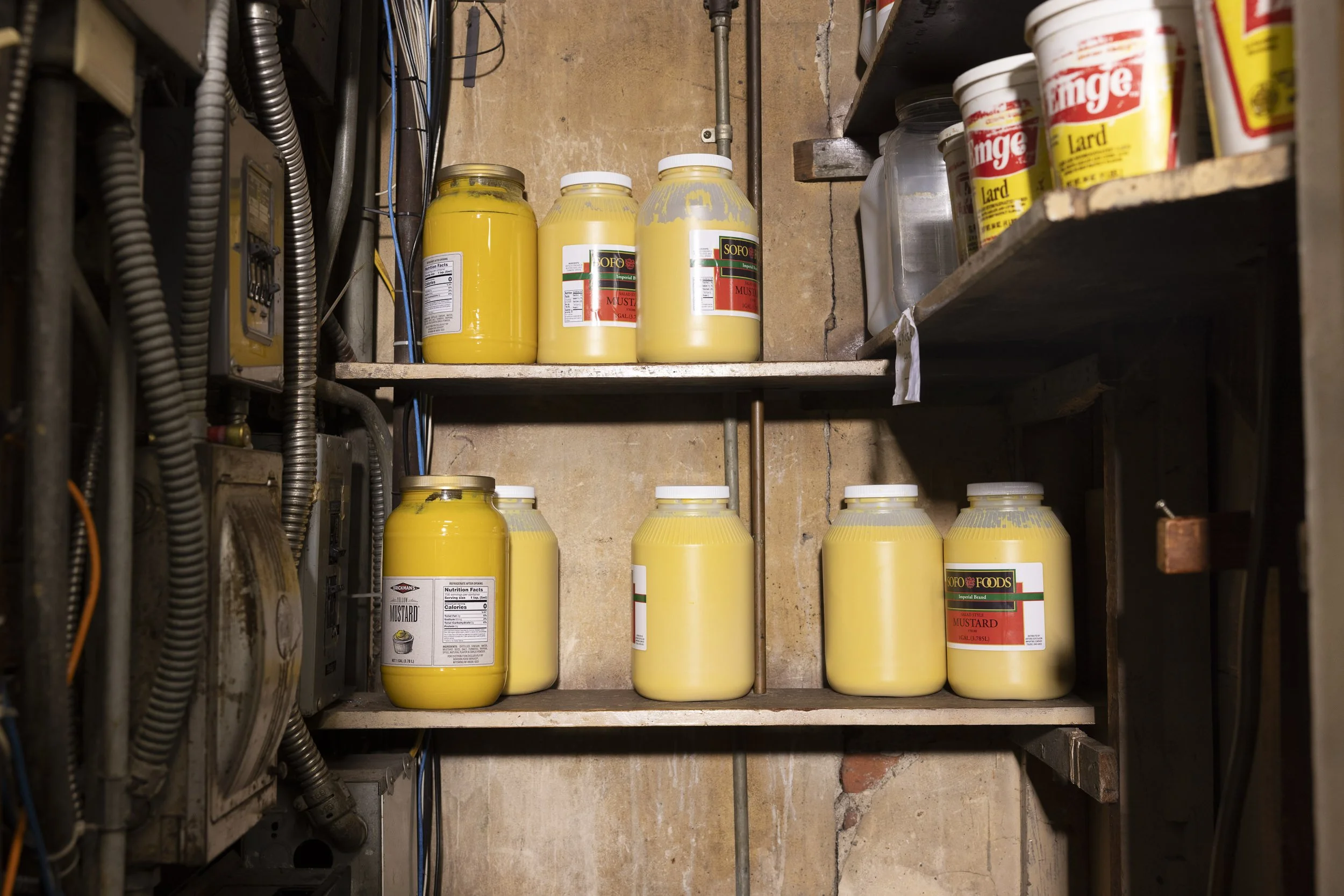
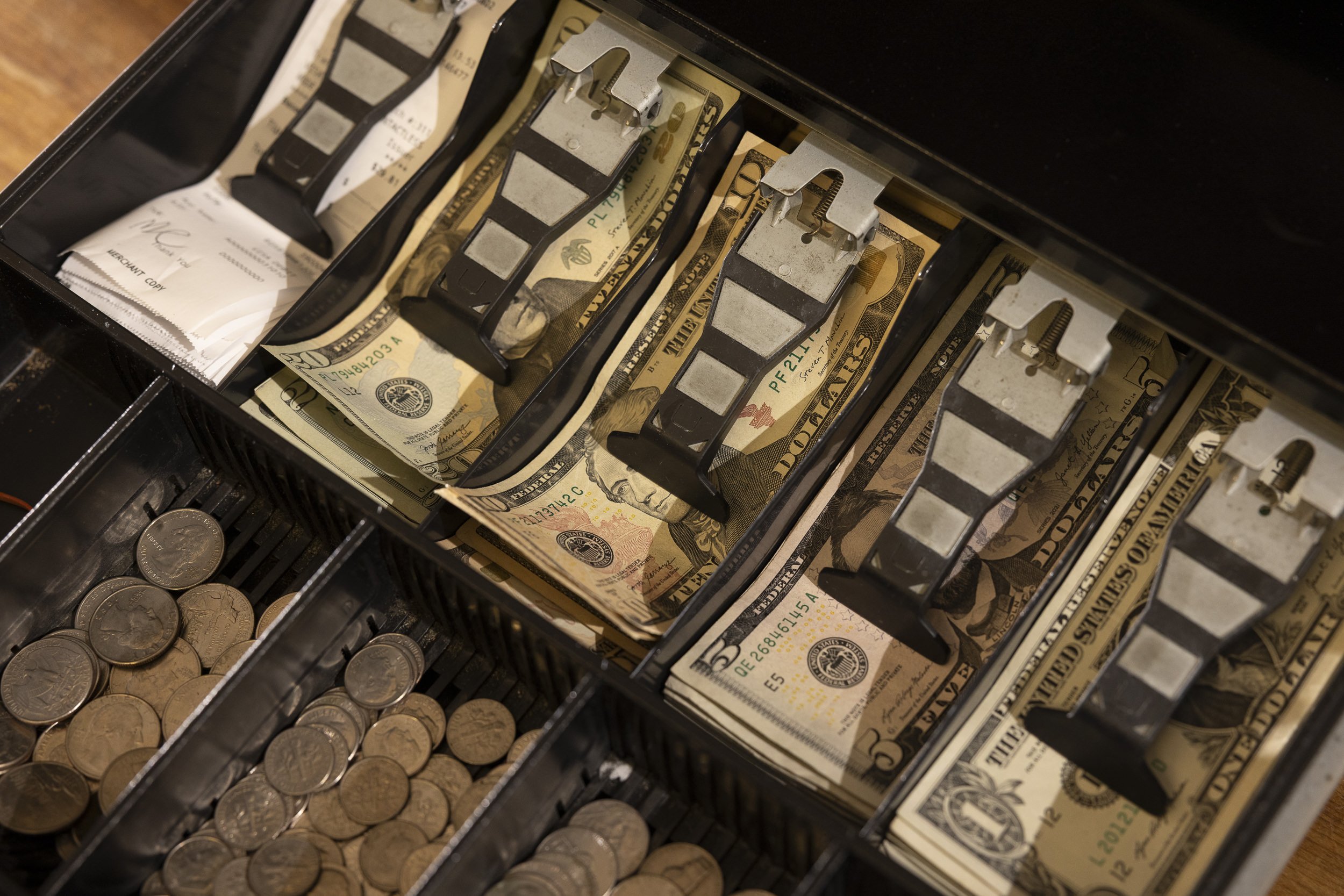
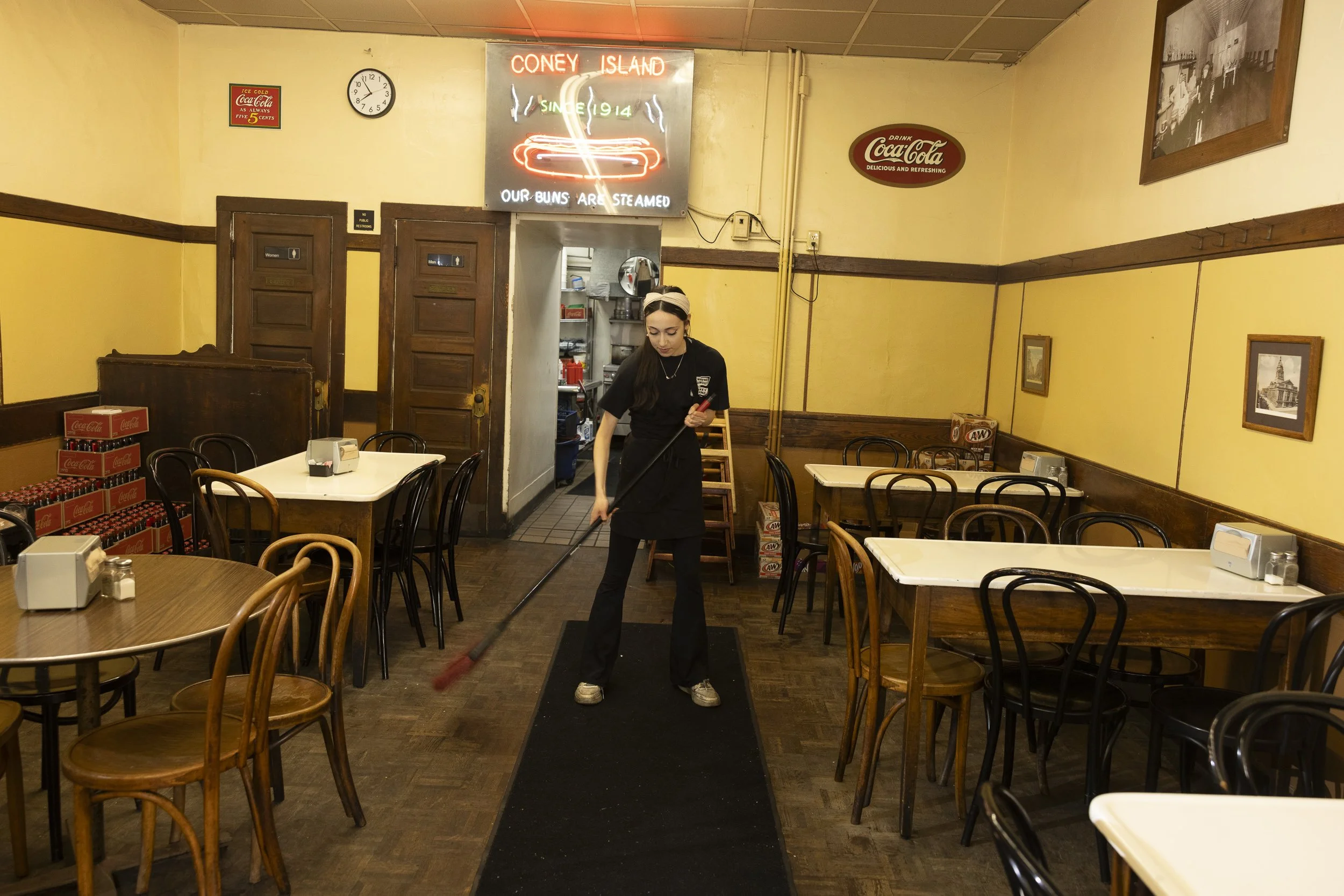
In a country that changes as quickly as ours, there is something comforting about places that remain familiar. The menu hasn't changed much. The atmosphere hasn't changed much. The biggest difference many longtime customers mentioned was that you can now pay with a debit or credit card instead of cash.
Beyond that, the experience feels remarkably intact.
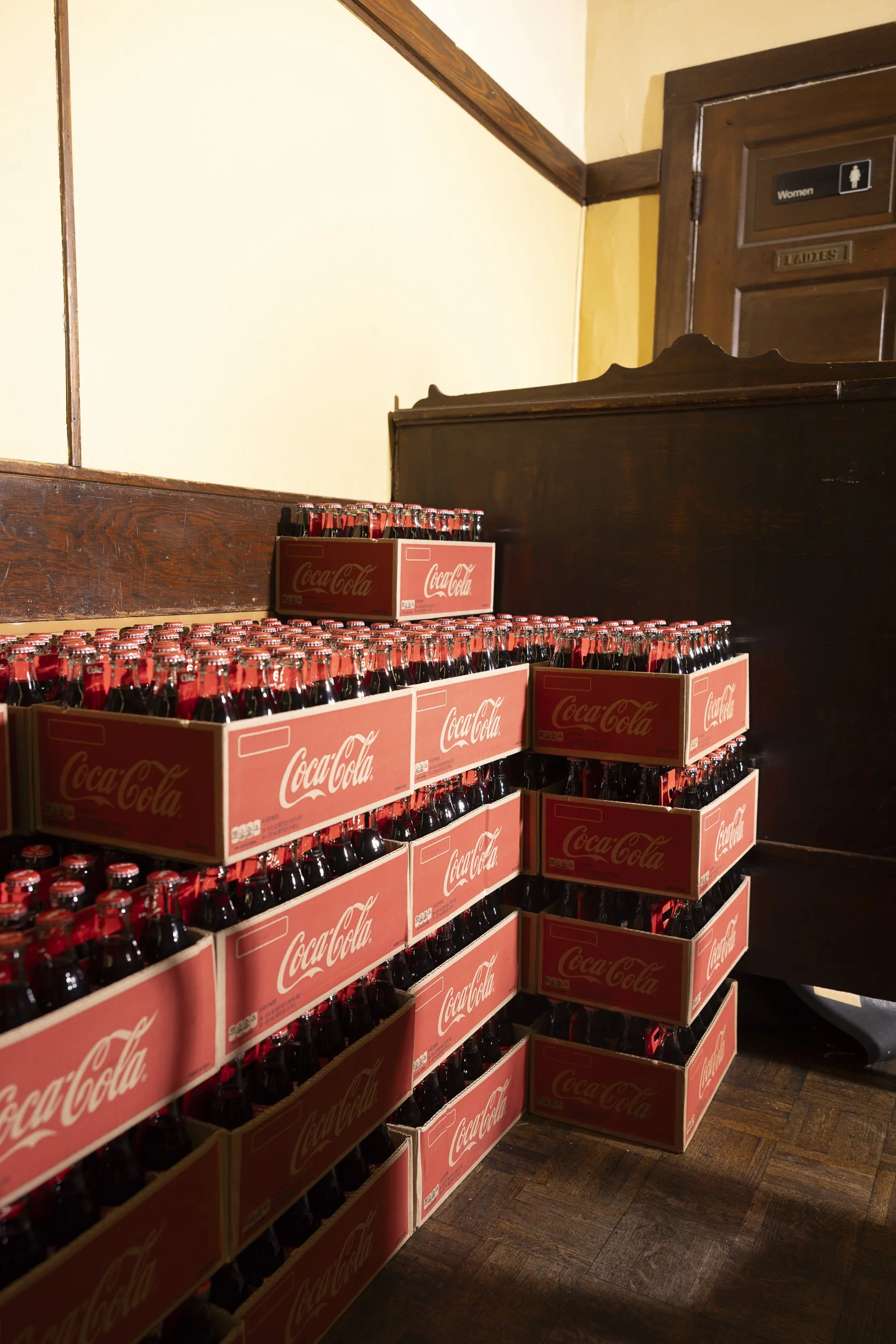
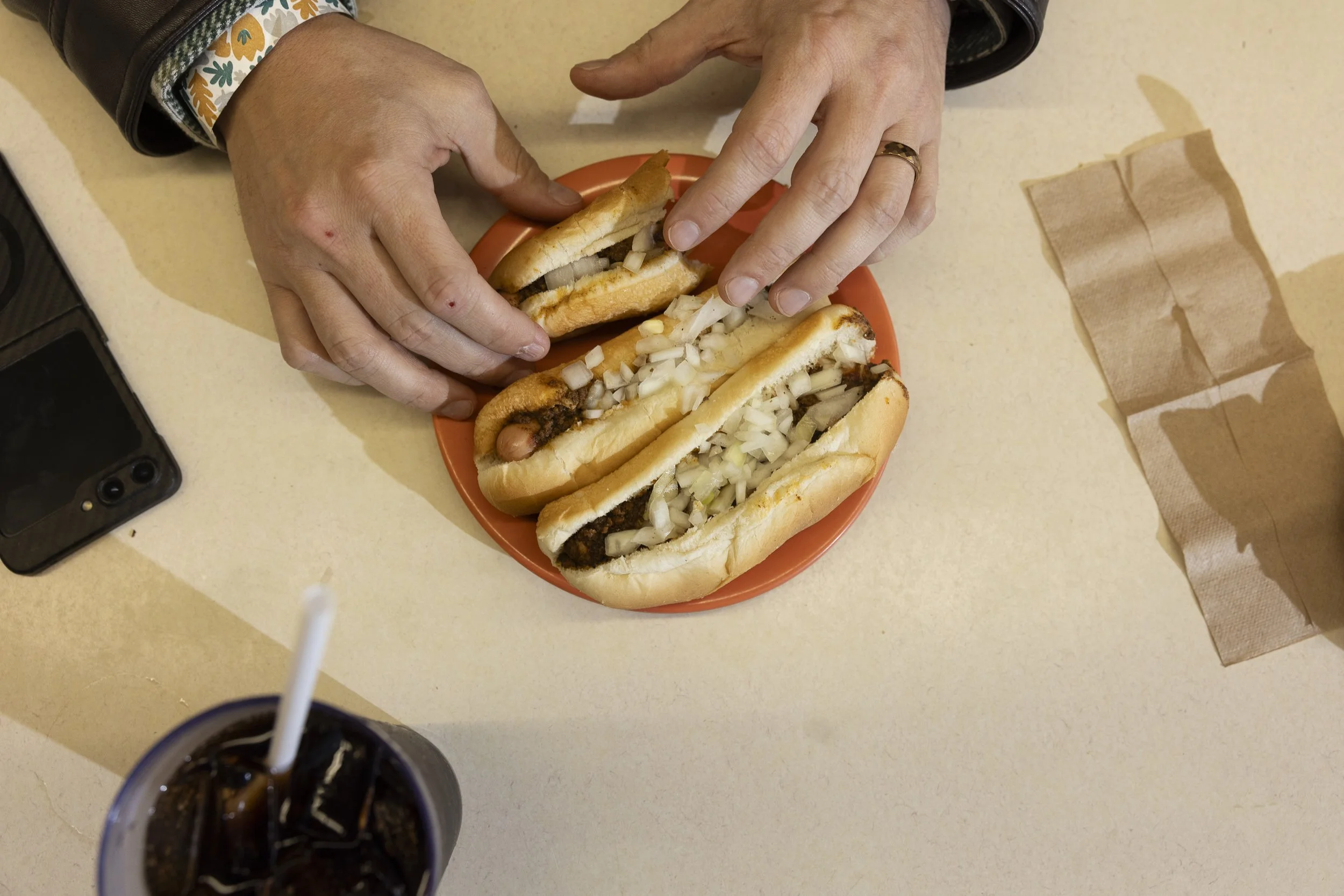
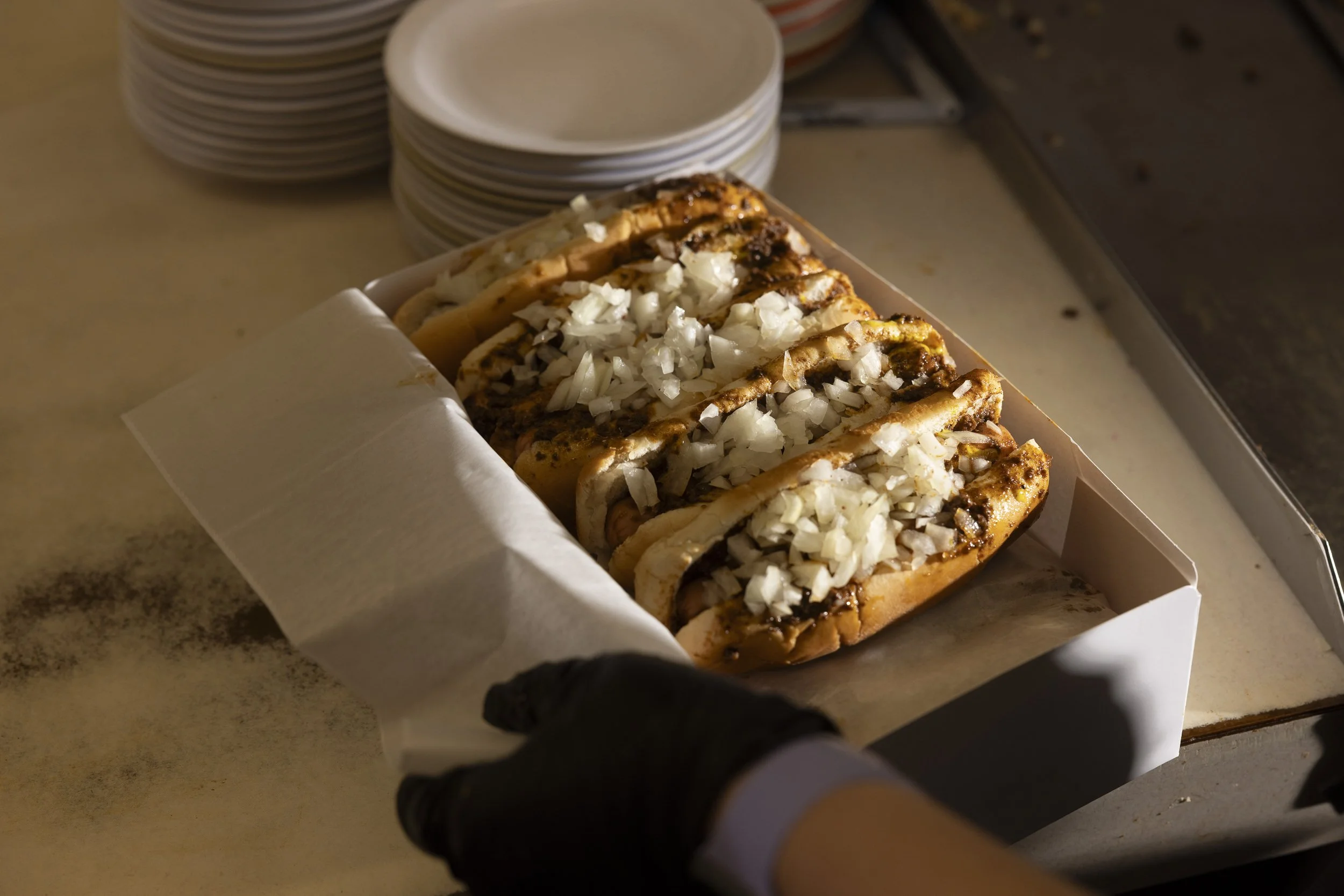
There is also something deeply nostalgic about a hot dog and an ice-cold bottle of Coke. It's simple, uncomplicated, and instantly recognizable. It's a meal that transcends generations and backgrounds. For many customers, that combination isn't just lunch. It's a connection to childhood, to family traditions, and to memories that stretch back decades.
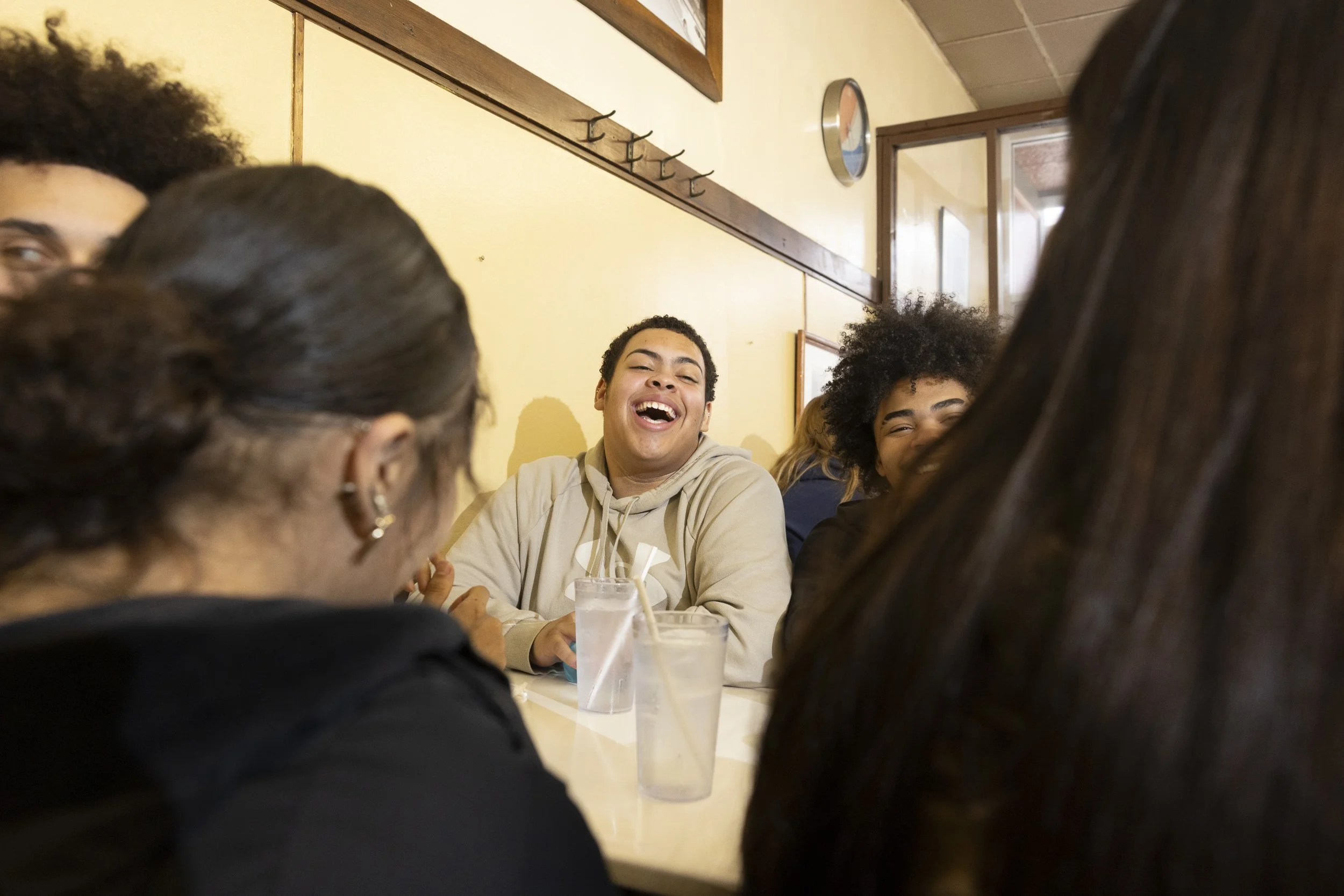
Photographing the stand made us think about the role local institutions play in holding communities together. These places become more than restaurants. They become gathering spaces. They host birthday celebrations, post-game meals, first dates, family reunions, and countless ordinary afternoons that eventually become cherished memories. They provide continuity in a world that often feels anything but continuous.
When people talk about community, they often focus on schools, churches, or civic organizations. Those places matter deeply. But sometimes community is also built around something as simple as an all-American hot dog served at a counter that's been welcoming customers for generations.
As America prepares to celebrate its 250th birthday this July Fourth, it feels fitting to reflect on places like this. They tell a different story about the country—not one found in monuments or history books, but in everyday traditions passed down from one generation to the next. The world's largest hot dog stand isn't just a roadside attraction. It's a living archive of memories, relationships, and community.
For photographers, stories like this are a gift. They remind us that some of the most meaningful photographs aren't made during grand events or historic moments. They're made in the everyday spaces where people gather, share stories, and return year after year because certain traditions are simply too important to let disappear.
After spending several days there, surrounded by the smells of grilled hot dogs, the sound of conversations stretching across generations, and the warmth of a staff that treated us like family, we understood exactly why people keep coming back.